
Bicycle zone
supports for cyclists
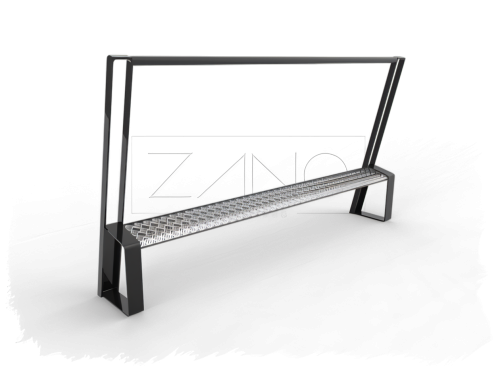
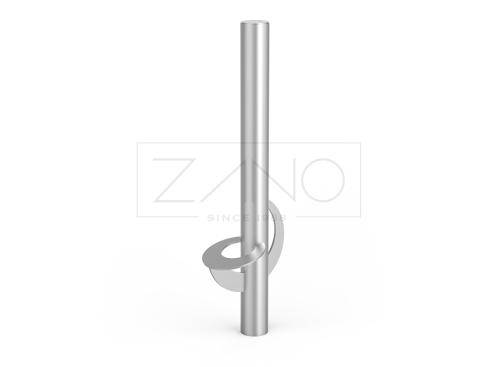
The bicycle zone and dedicated cyclist resting areas are essential components of modern urban infrastructure, designed to enhance the experience of sustainable commuting and recreational cycling. These specialized street furniture installations provide a strategic space for riders to pause, perform minor maintenance, and recover, thereby promoting the adoption of eco-friendly transport methods within city centers, parks, and along transit corridors. By integrating high-quality bike infrastructure, municipalities and private developers can effectively organize traffic flows and create safer, more accessible environments for all road users.
Our bicycle zone solutions are engineered with durability and functionality at the forefront. Each installation is constructed from premium-grade materials, such as powder-coated steel, stainless steel, and weather-resistant wood, ensuring resilience against intensive daily use and adverse environmental conditions. The design philosophy centers on the harmonious integration of modular urban furniture into existing landscapes, providing a cohesive aesthetic while maintaining the high utility standards required for public spaces. These resting areas are built to withstand the rigors of high-traffic locations, including transit hubs and high-density residential developments.
A comprehensive cyclist rest stop encompasses a variety of functional elements tailored to the specific needs of riders. This includes ergonomic bicycle stands or racks that offer secure support for various frame geometries, alongside integrated seating solutions such as urban benches that provide comfort during breaks. By grouping these elements, we create a unified rest area for cyclists that facilitates social interaction and personal convenience. Each piece of equipment is meticulously finished to provide an intuitive user interface, ensuring that the cycling facility remains accessible to commuters of all fitness levels.
Beyond basic parking, these zones are designed to serve as functional hubs for active mobility. The inclusion of space-efficient bicycle shelters or overhead structures can provide critical protection from the elements, ensuring that equipment and riders remain shielded from rain or direct sunlight. Furthermore, the layout of the bike zone is optimized to maintain clear sightlines and safety, reducing the risk of obstruction for pedestrians. Our approach to streetscape design balances the requirements of cyclists with the broader needs of urban planners, ensuring that every square meter of public space is utilized effectively.
Sustainability and maintenance ease are core pillars of our bicycle infrastructure development. We employ corrosion-resistant finishes and high-durability hardware to minimize the necessity for frequent upkeep, significantly lowering the total cost of ownership for municipal clients. The urban furniture components are designed for straightforward installation and potential future reconfigurations, allowing these zones to evolve alongside changing urban mobility patterns. By selecting materials that are both long-lasting and environmentally conscious, we ensure that our cyclist infrastructure remains a viable investment for decades.
Ultimately, the implementation of a well-planned bicycle zone contributes to a more vibrant and livable city. These spaces signal a commitment to green urbanism and health-conscious planning, encouraging a modal shift toward carbon-neutral transport. Whether installed as part of a dedicated cycling corridor or as an amenity within a public square, these street furniture elements define the standard for modern, professional transit design. By investing in high-quality bike amenities, project stakeholders foster a supportive environment for cyclists, ultimately creating safer and more efficient transportation networks for the entire community.