Description
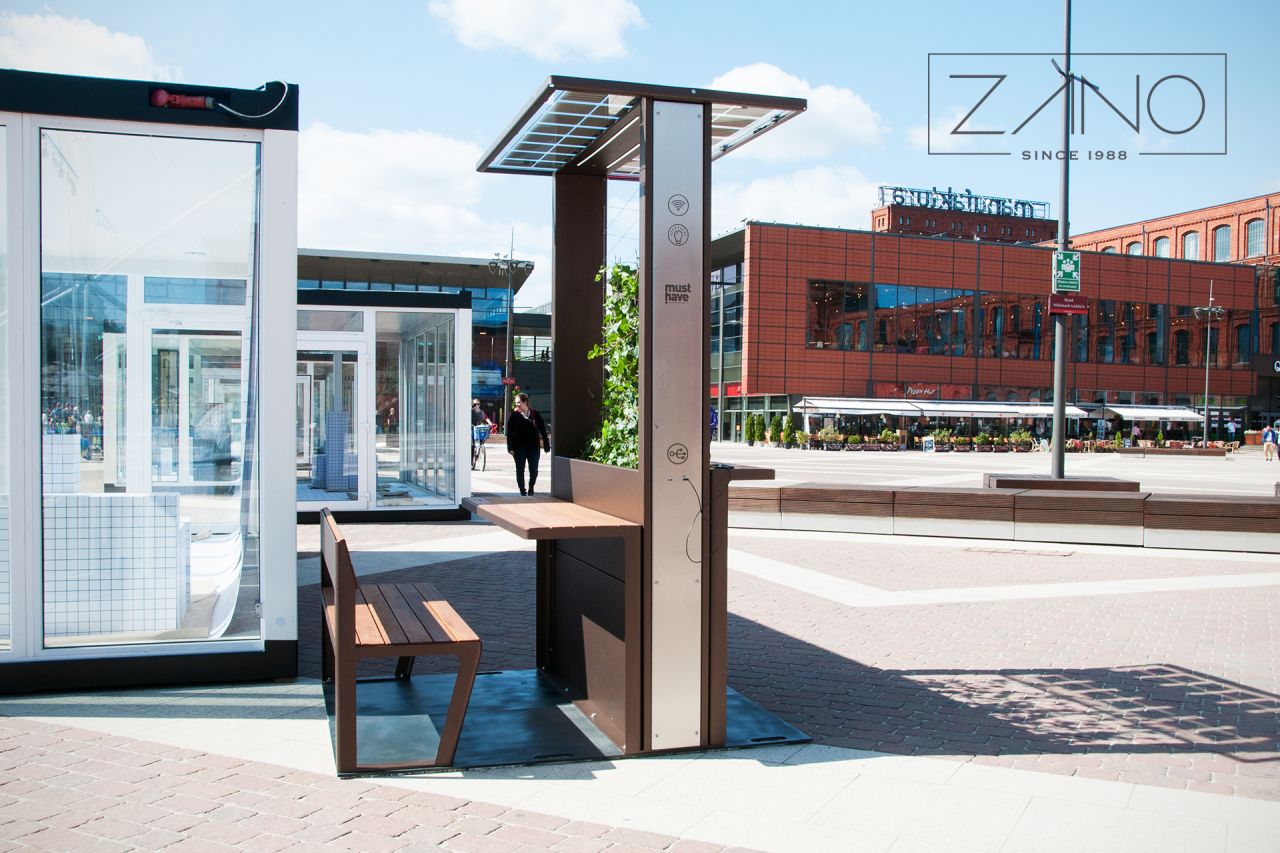
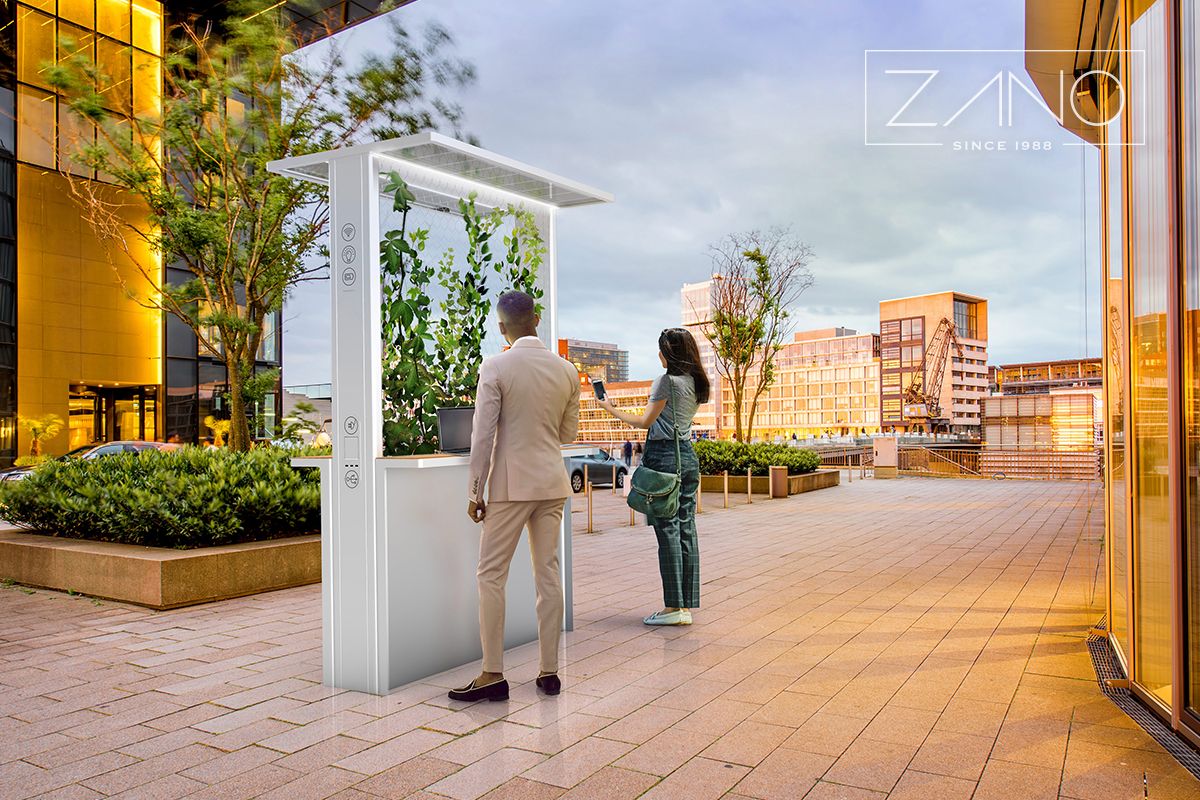
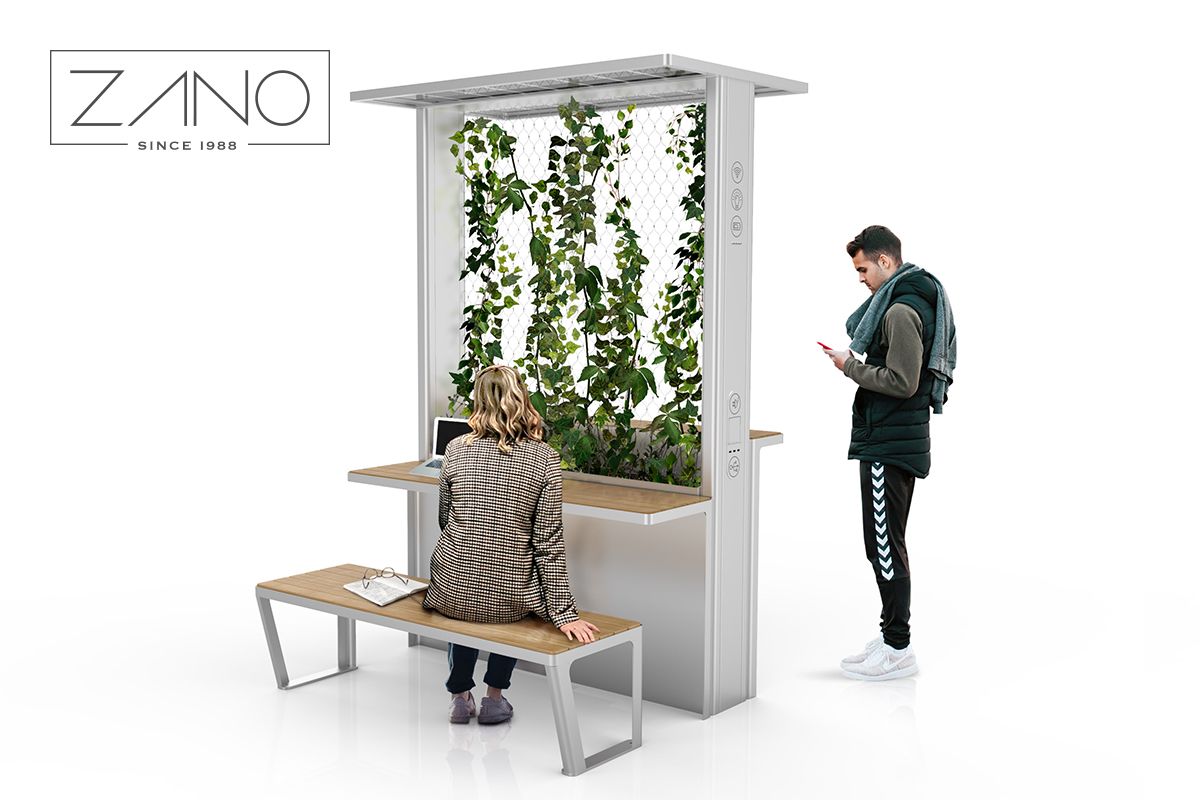
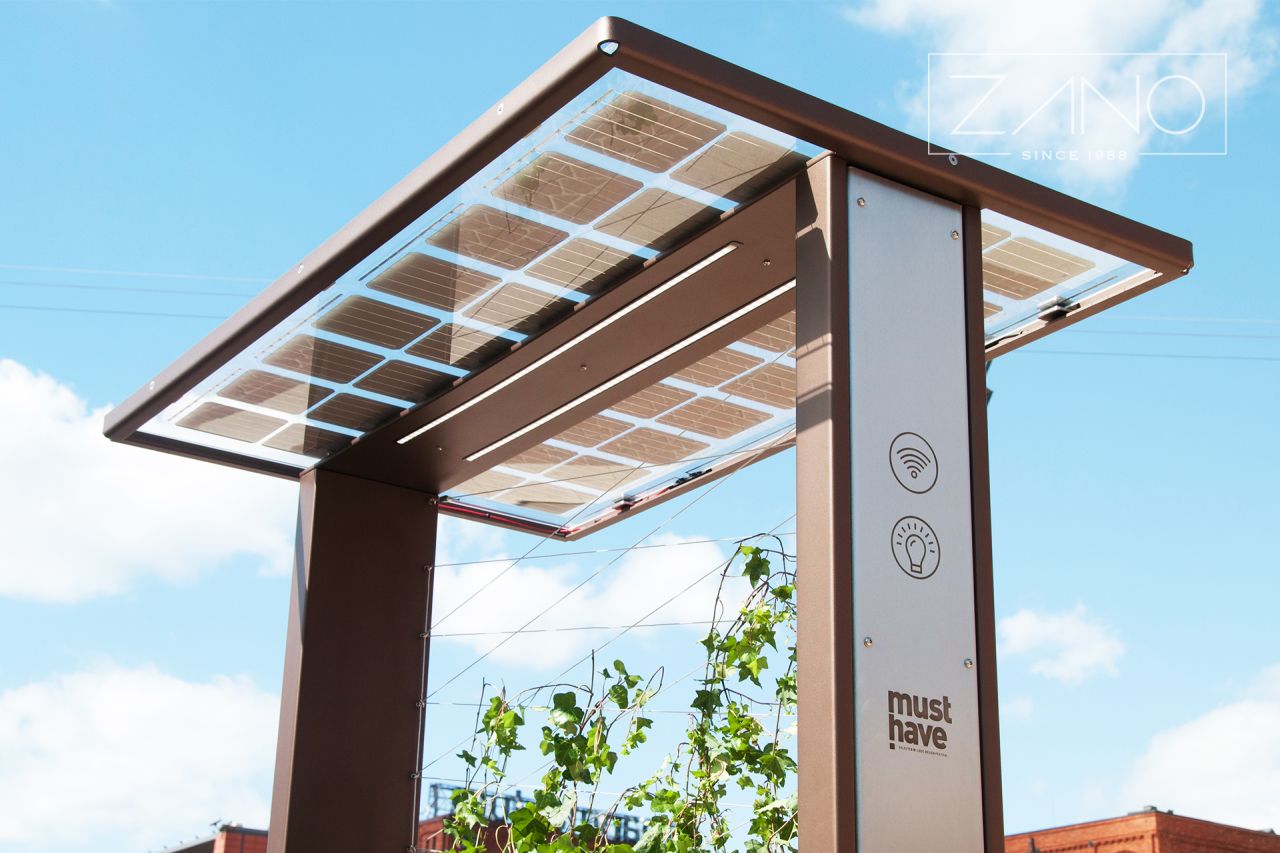
The Scandik solar station, model 19.046, represents a pinnacle of modern urban furniture, blending sustainable energy technology with functional public space design. Designed by Iwona Żaczek, this sophisticated solar station is engineered to meet the demands of contemporary smart city environments. The structure is built with high-quality carbon or stainless steel, ensuring durability and resistance to harsh weather conditions. With a robust weight of 780 lbs and a specialized mounting system designed for secure anchoring, this unit provides a stable and reliable hub for pedestrians and commuters alike. Its sleek aesthetic integrates seamlessly into parks, plazas, and city centers, offering both a place to rest and essential technological support.
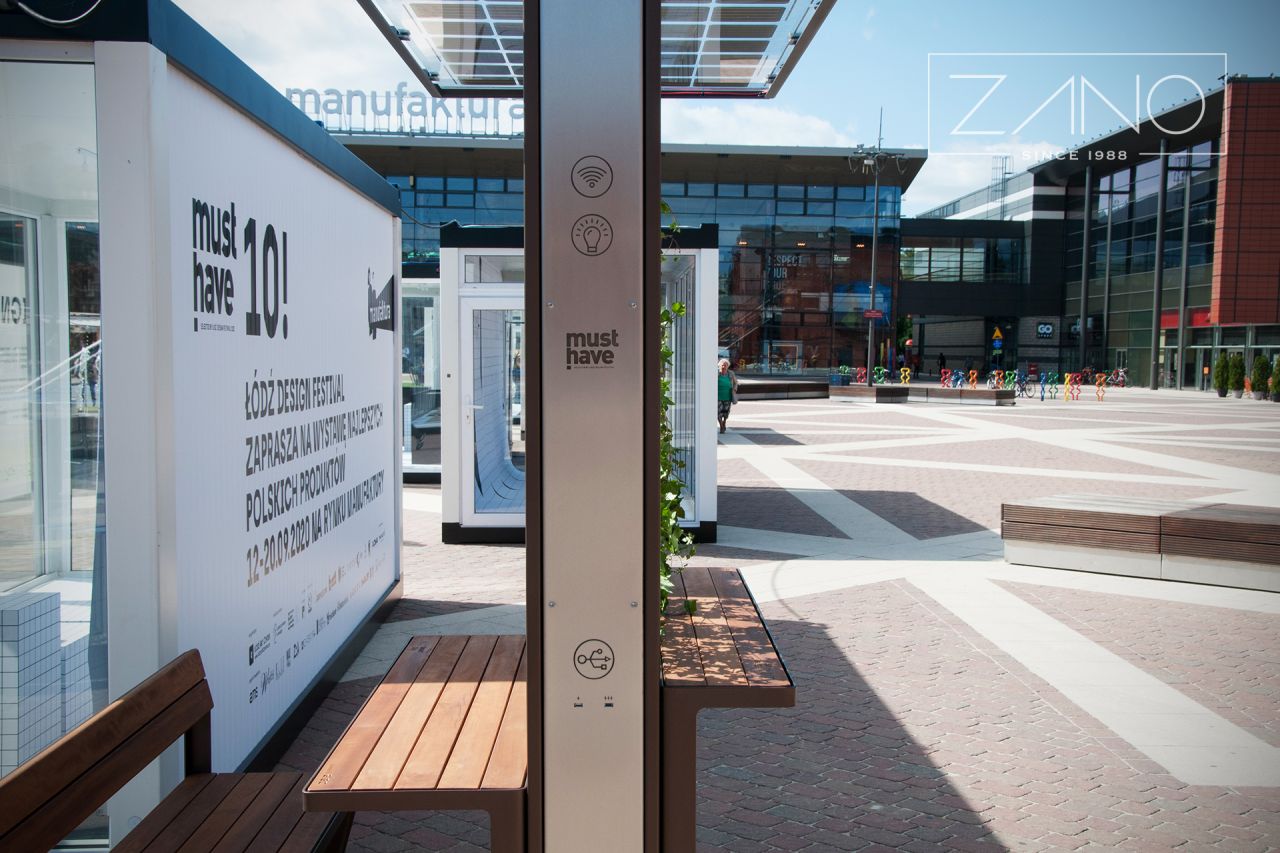
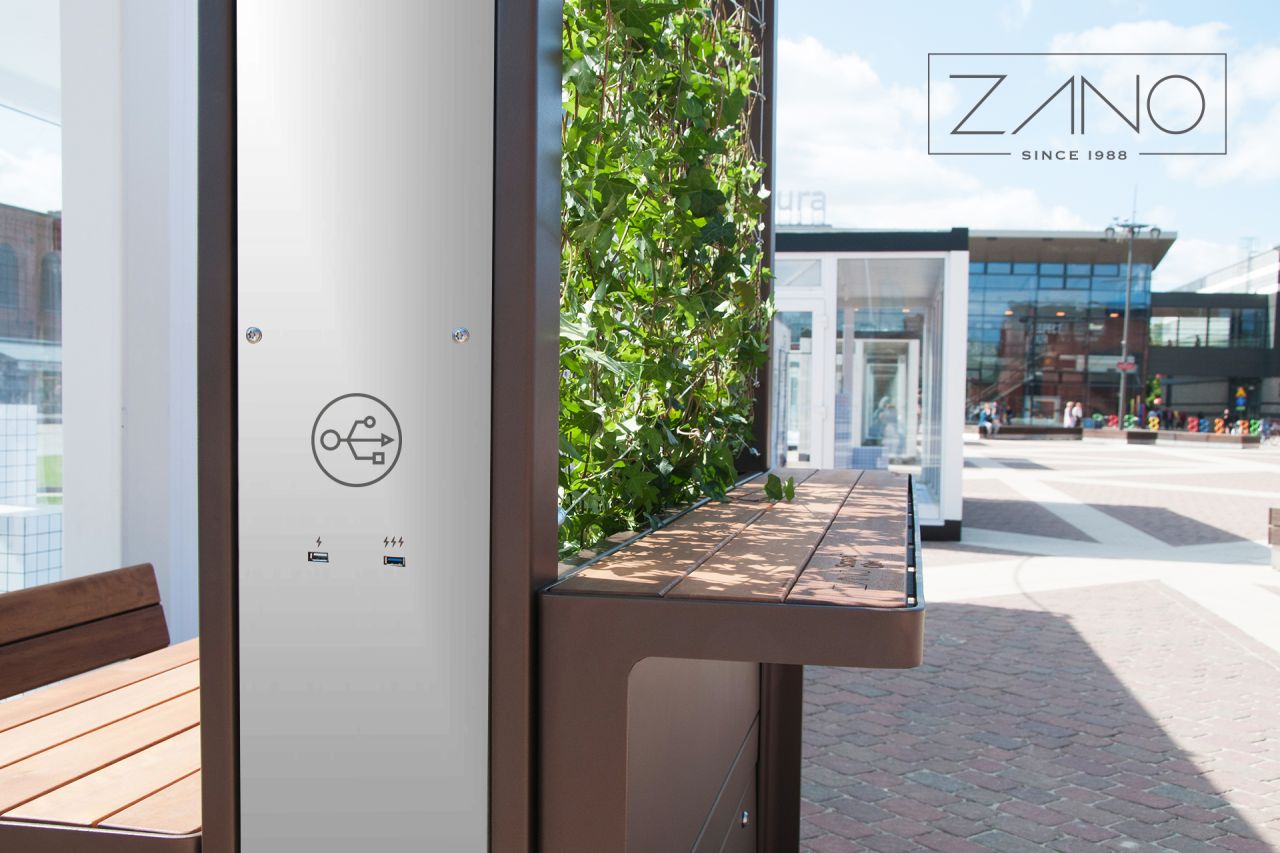
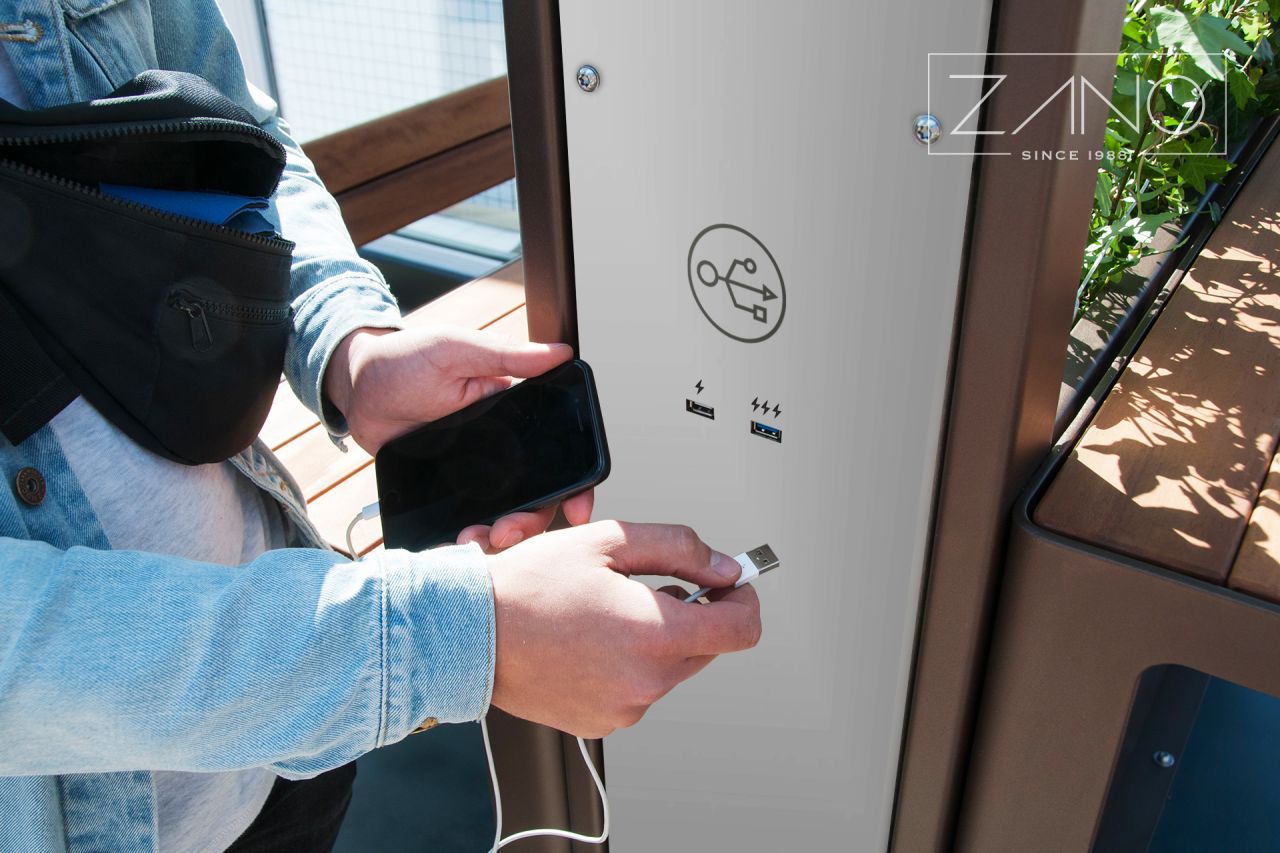
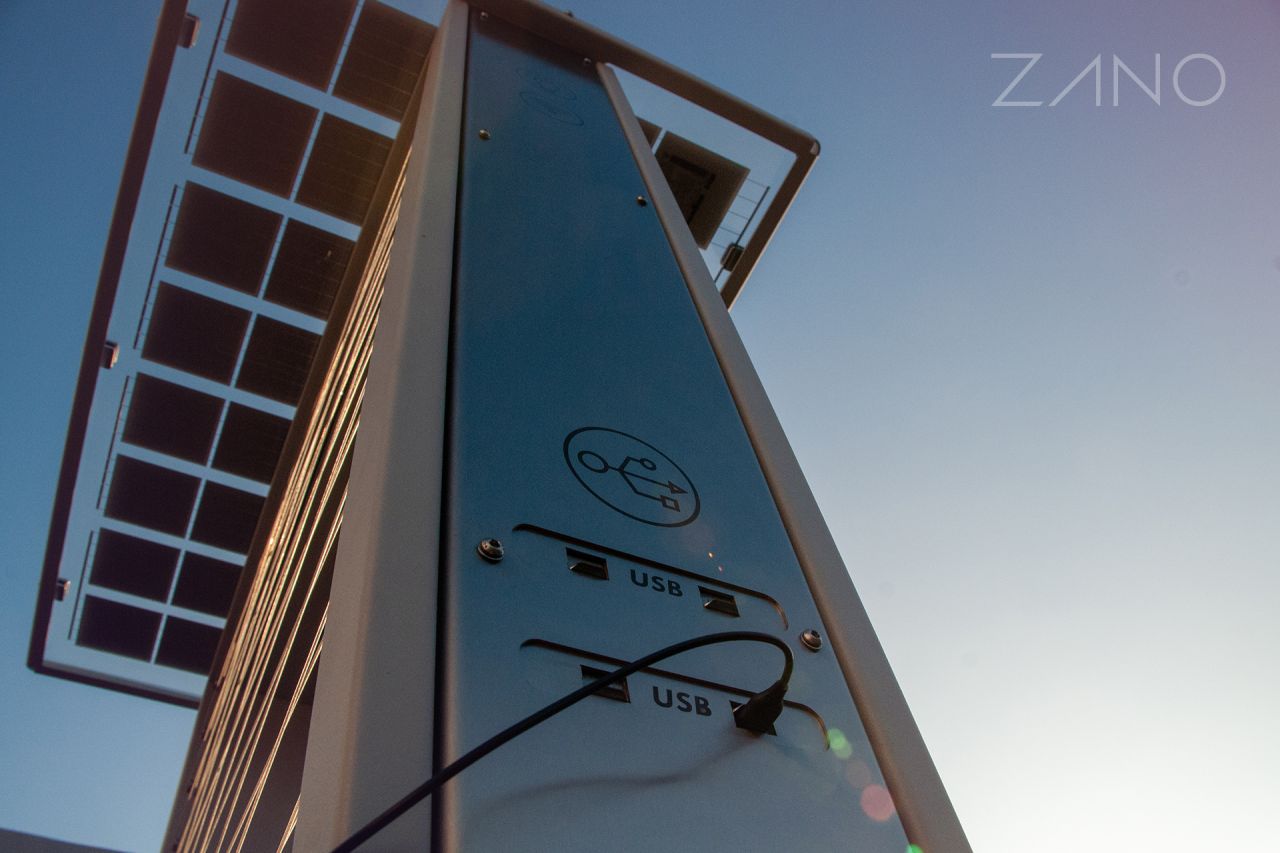
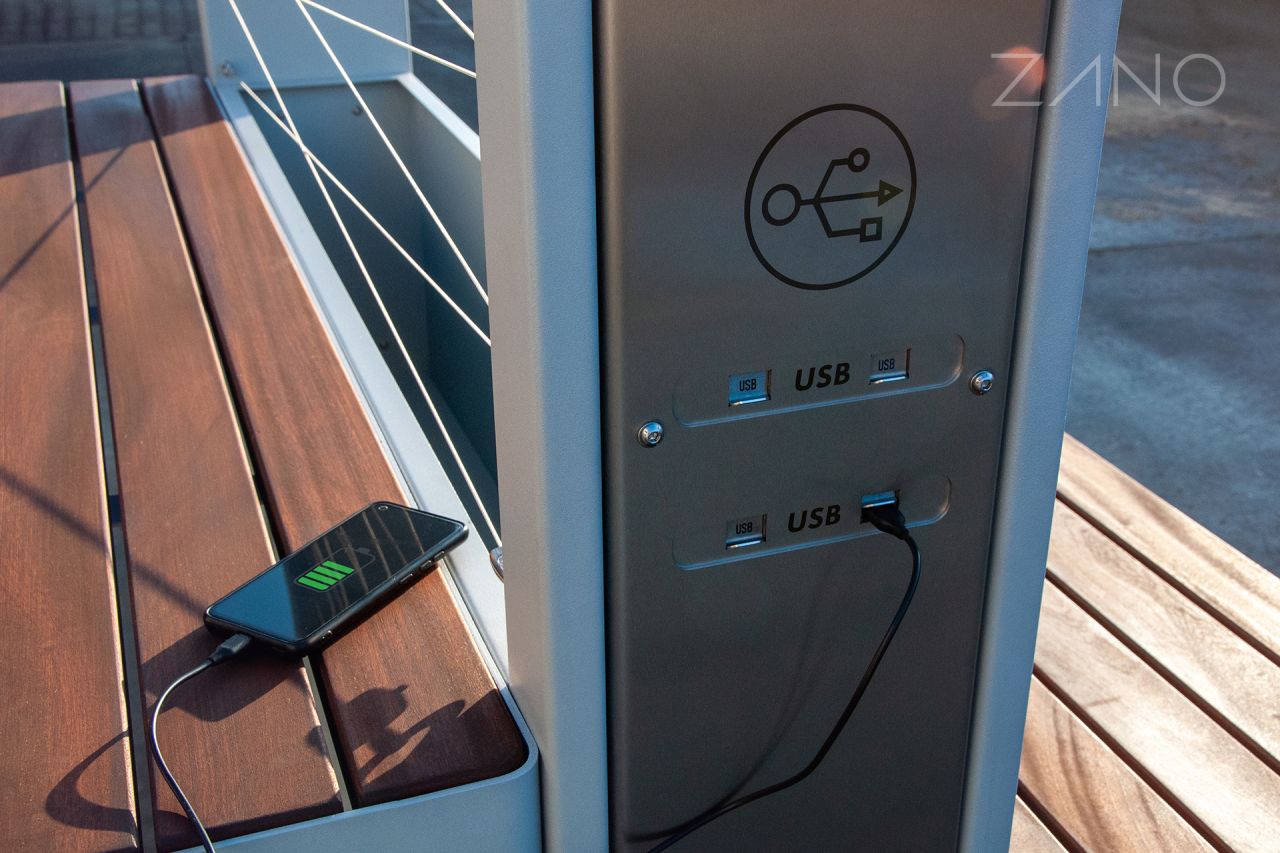
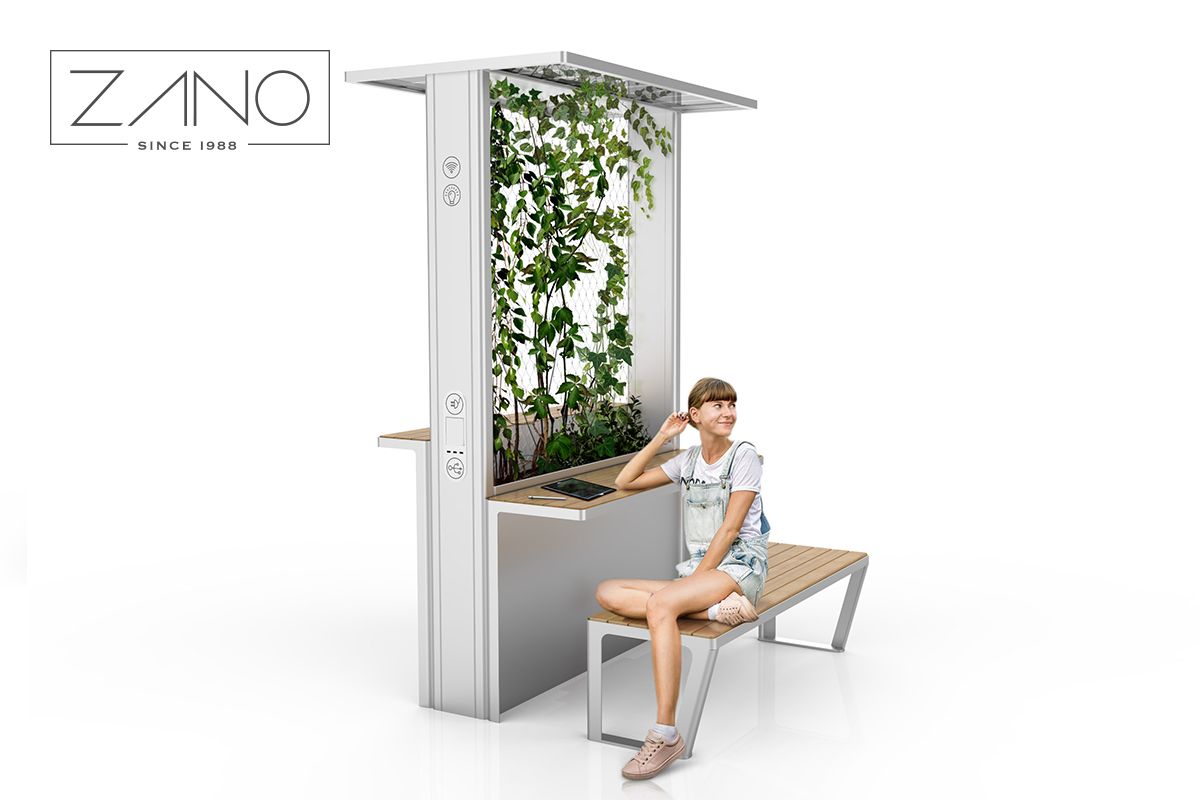
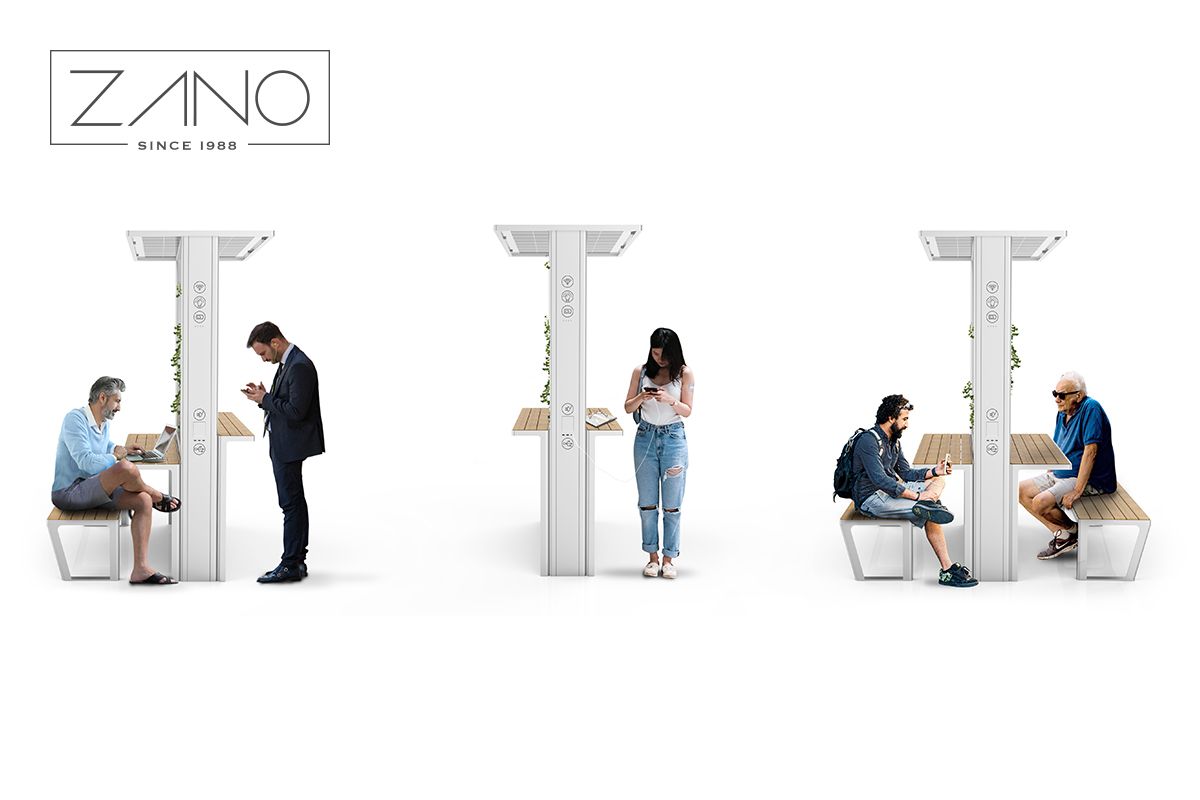
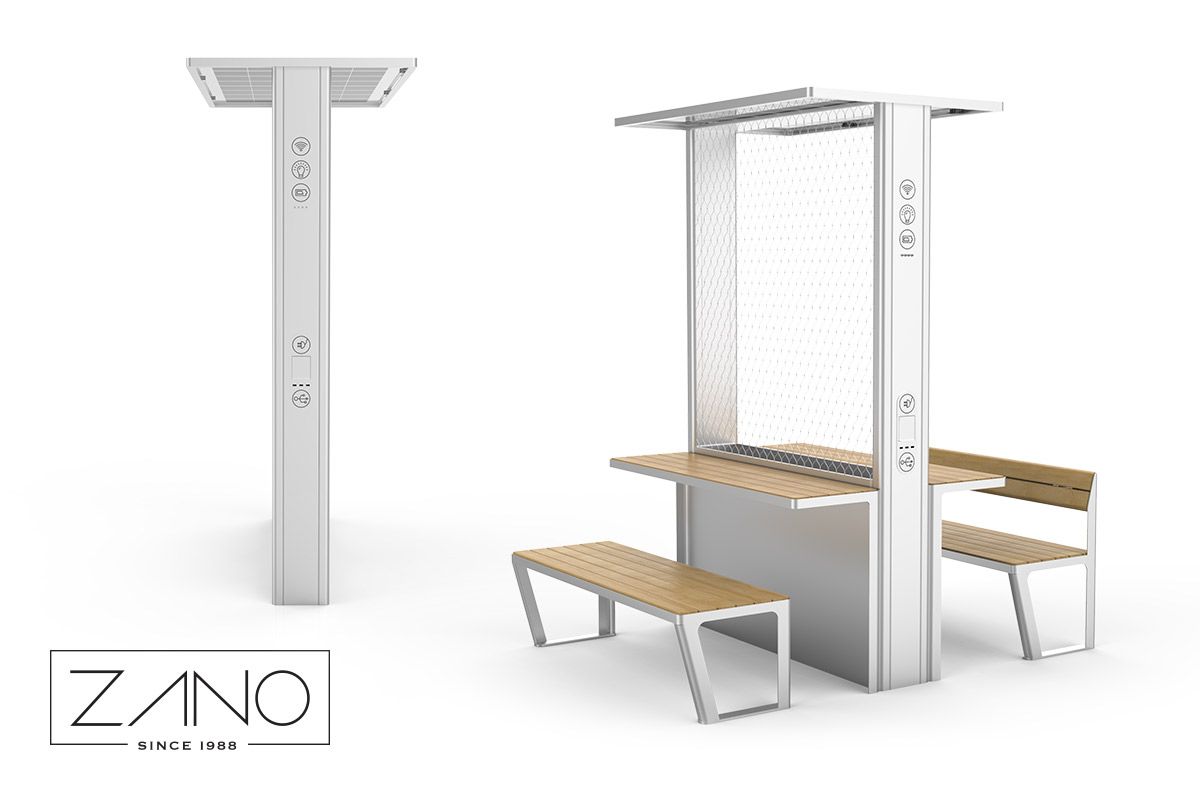
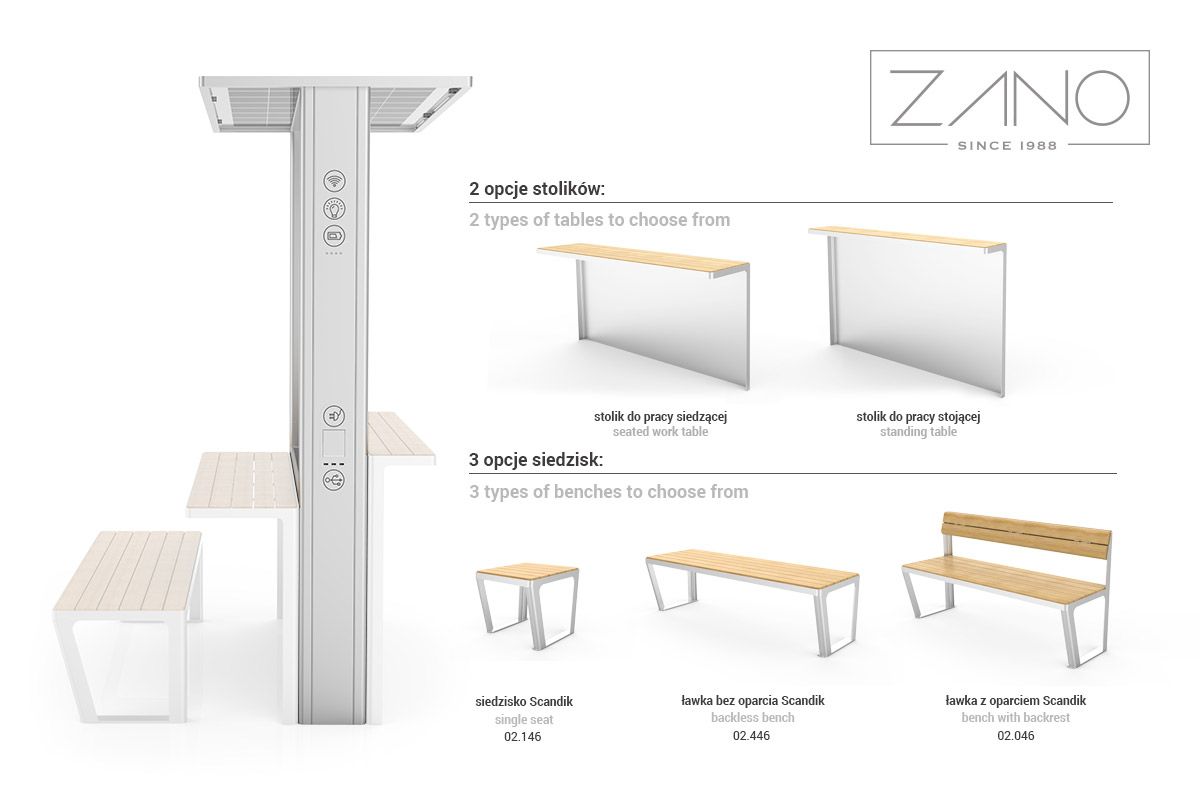
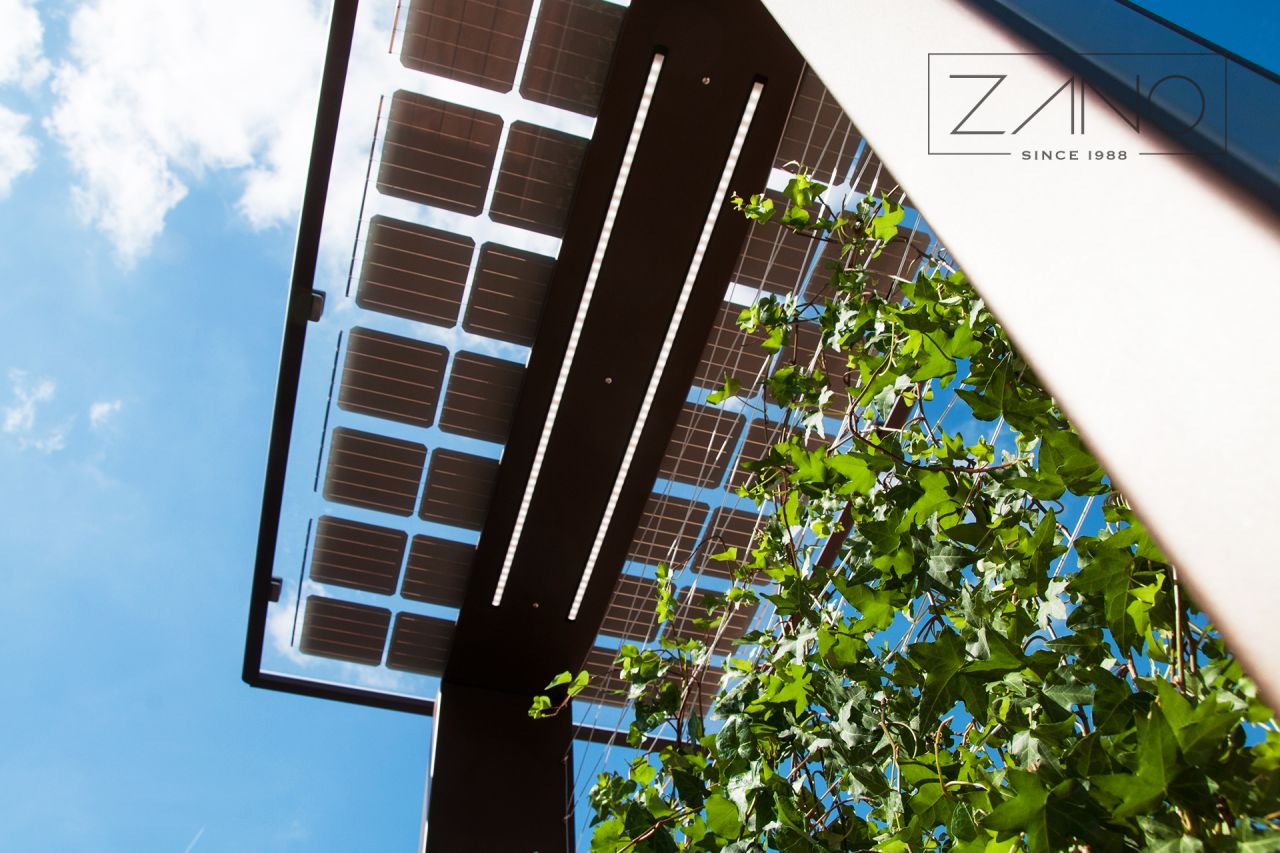
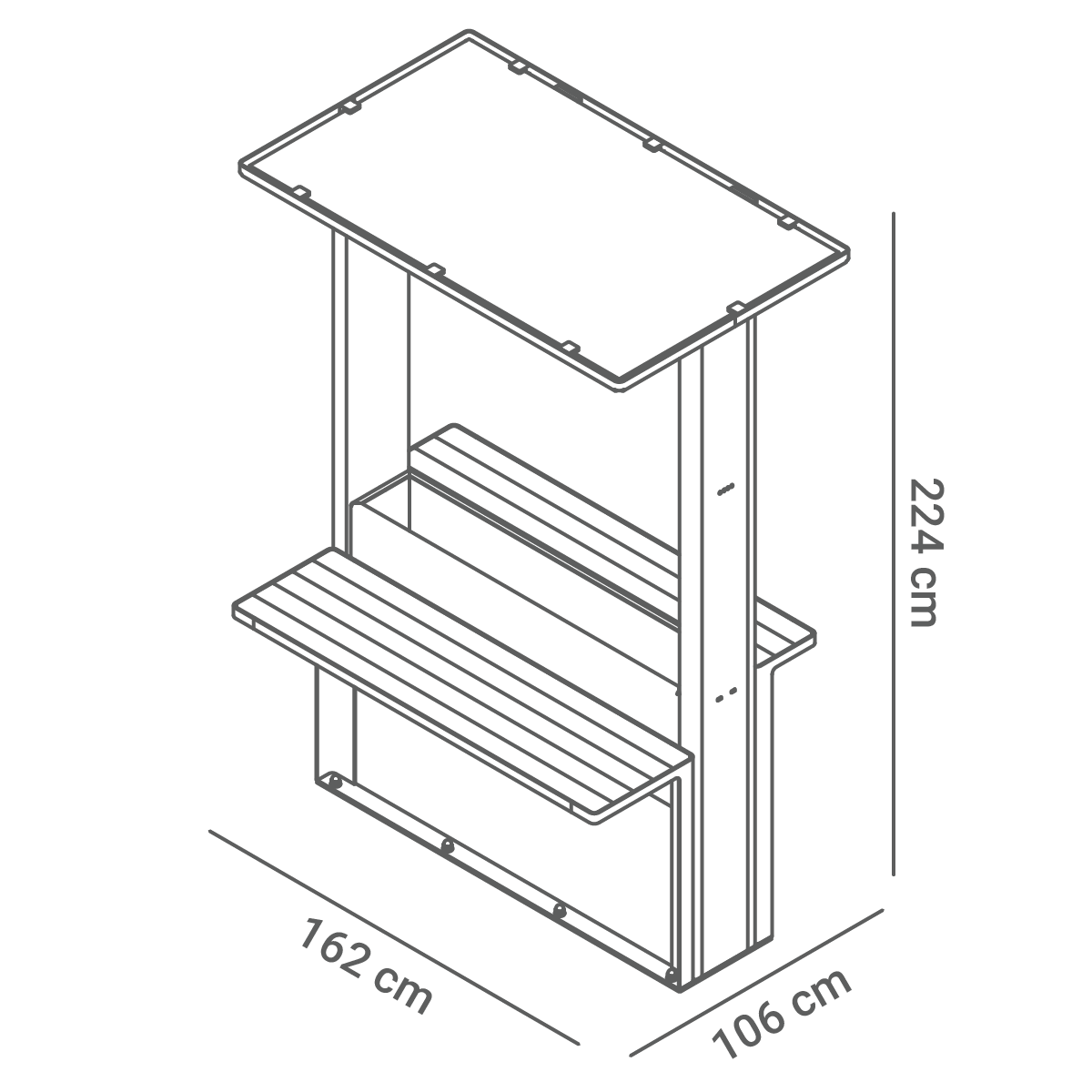
Functionality is at the core of the Scandik line. The station features dual-level countertops, available in premium materials such as European coniferous wood, hardwood, oiled or premium exotic wood, HPL board, or durable steel. Beyond its role as a versatile table, it is equipped with a 200 W photovoltaic panel, powering advanced features including an integrated battery pack and efficient LED neutral white lighting for night-time visibility. Users benefit from high-speed connectivity via optional Wi-Fi hotspots and rapid power delivery through two USB A 3.0 and two USB C 3.0 quick-charge ports. For enhanced user experience, the station includes a battery charge indicator, ensuring real-time monitoring of available power even in varying climates ranging from -20°C to 60°C.
As a key component of our street furniture collection, the Scandik solar station offers significant customization to align with branding requirements. Options for logo placement include etching in stainless steel, specialized stickers, or milling directly into the wood or HPL surfaces. The design also incorporates a generous 40 ¾ gallon pot capacity, allowing for the integration of greenery, which enhances the visual appeal of this smart city solution. By choosing the Scandik model, planners can provide a sustainable, energy-efficient workspace that promotes connectivity and environmental awareness. This smart city solution bridges the gap between infrastructure and technology, serving as a functional cornerstone for any revitalized metropolitan landscape.