Options
-
Construction
- carbon steel (s235Jr)
- stainless steel (Aisi 304)
-
Mounting method
- free-standing
- to screw
-
Contribution
- uncontributed

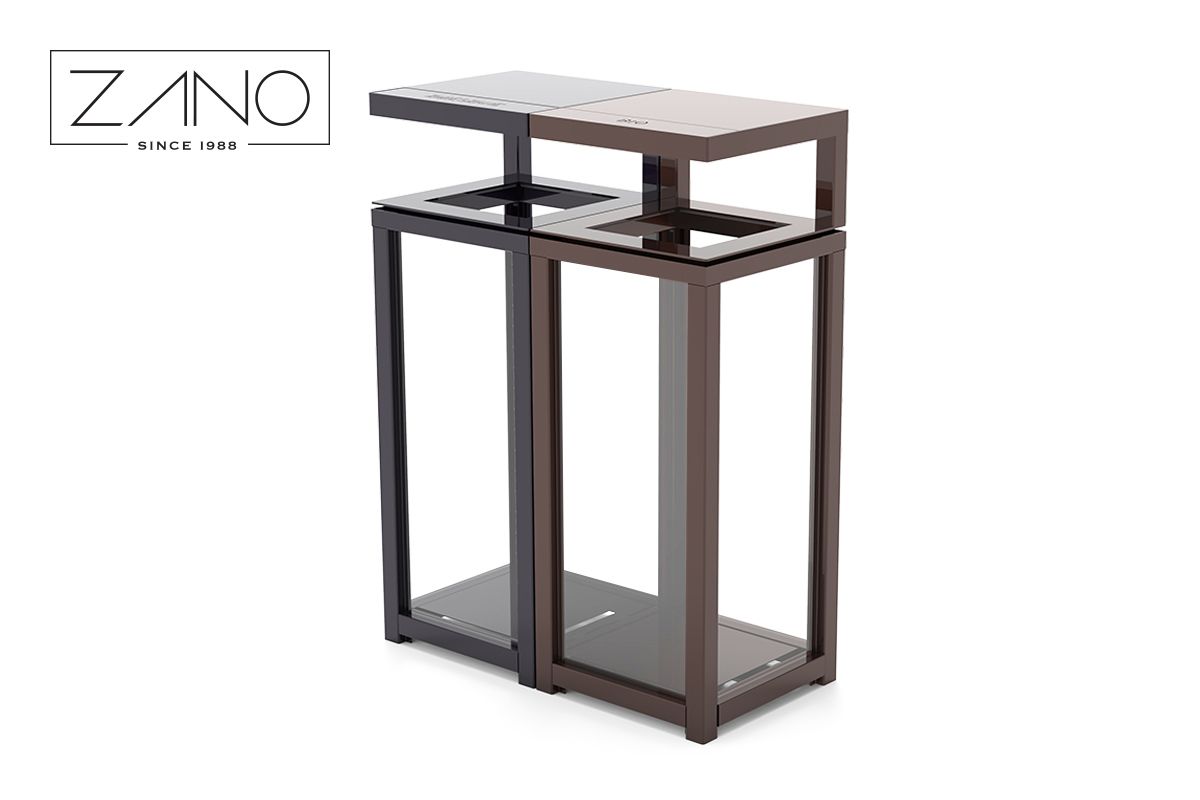
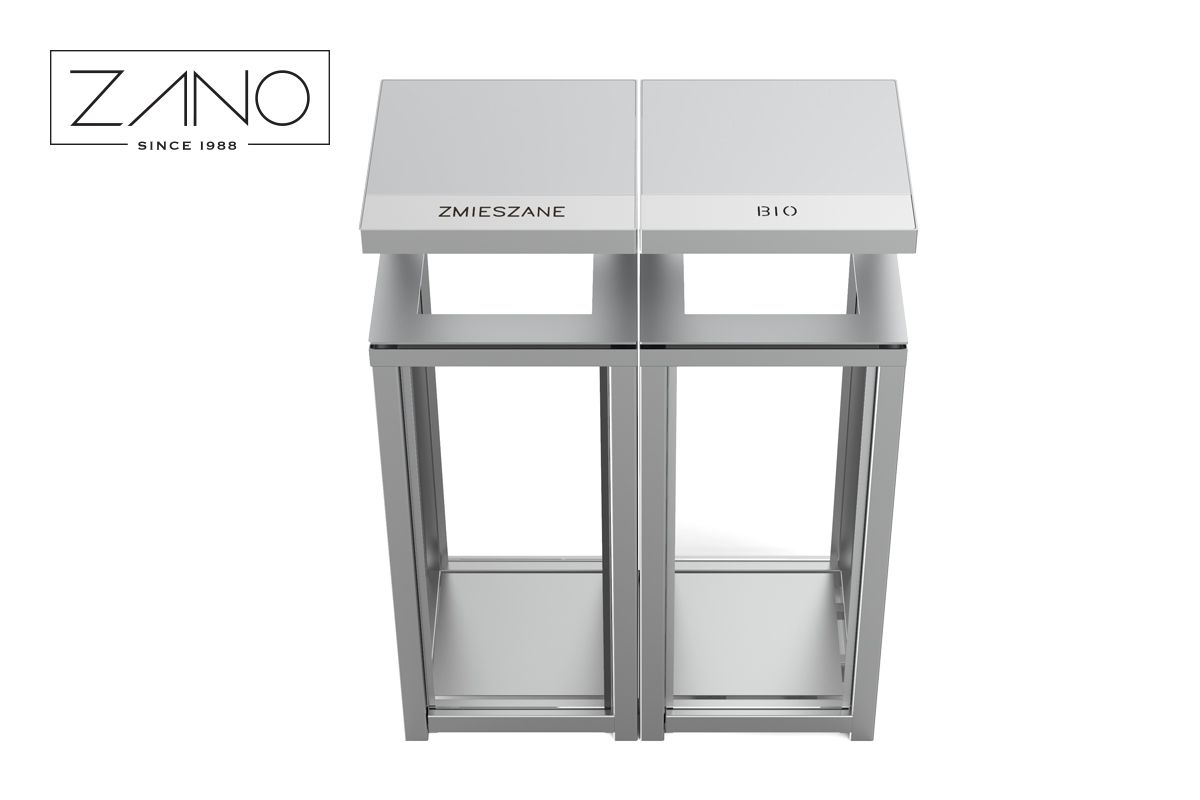

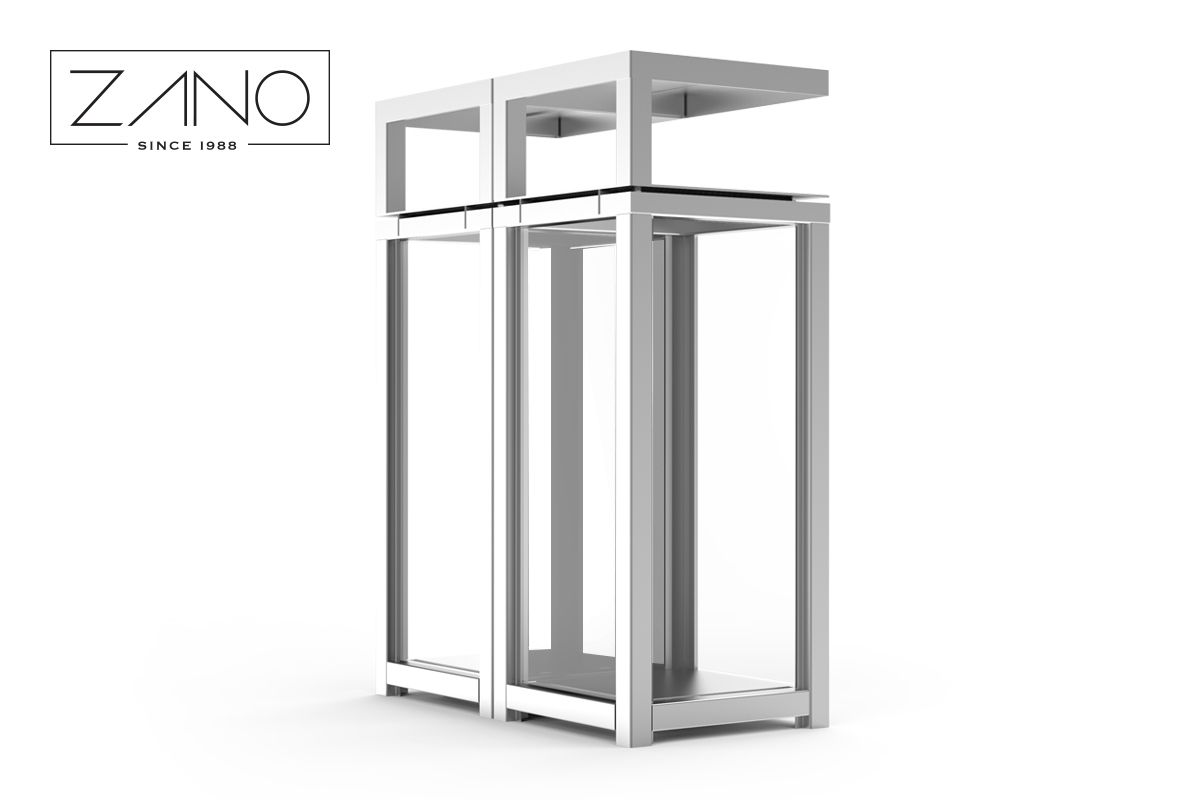

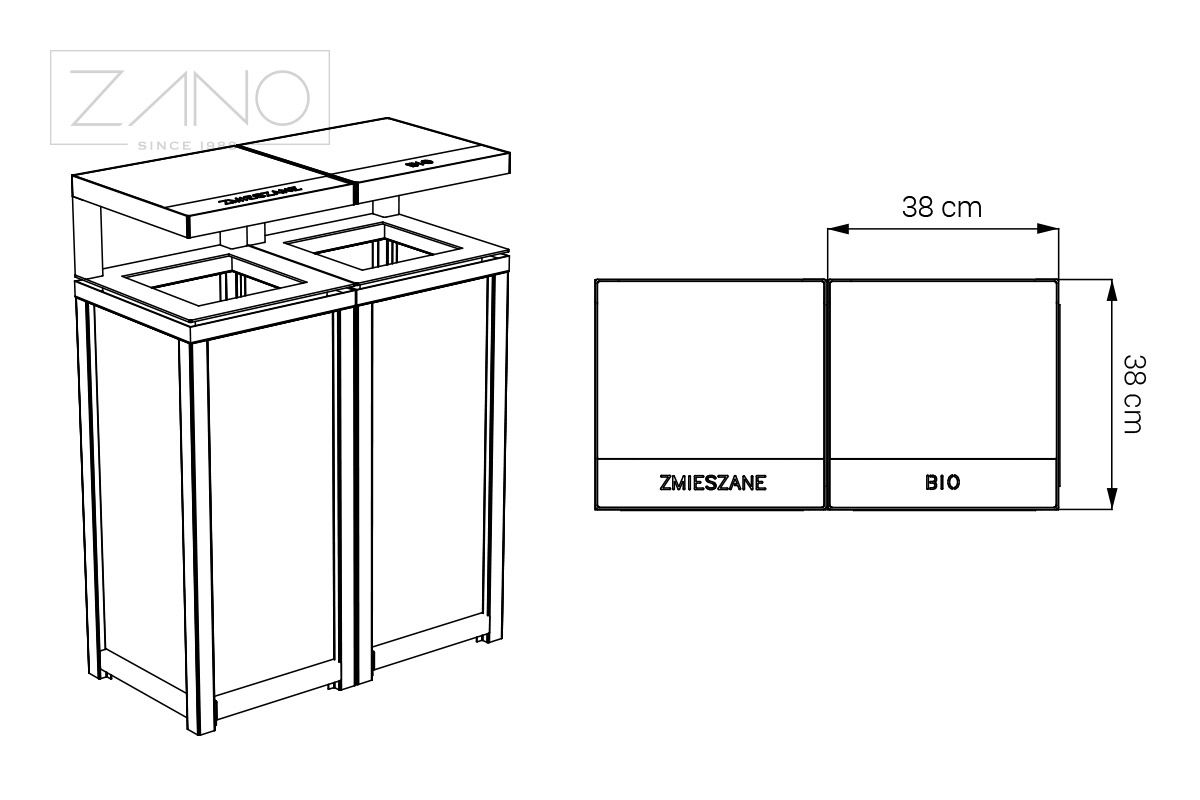
The Altus recycling bin, model 15.252.4, is a sophisticated piece of urban furniture meticulously designed by Iwona Żaczek to facilitate efficient waste management in public spaces. This waste segregation garbage can is characterized by a sleek, modern aesthetic, combining structural integrity with contemporary materials. The unit is constructed with a robust frame available in either high-quality stainless steel (AISI 304) for superior corrosion resistance or durable carbon steel (S235JR), which can be customized with professional powder coating. The side panels are crafted from high-grade acrylic glass (plexiglass), providing a lightweight yet durable enclosure that adds a clean, architectural finish to the product's overall silhouette.
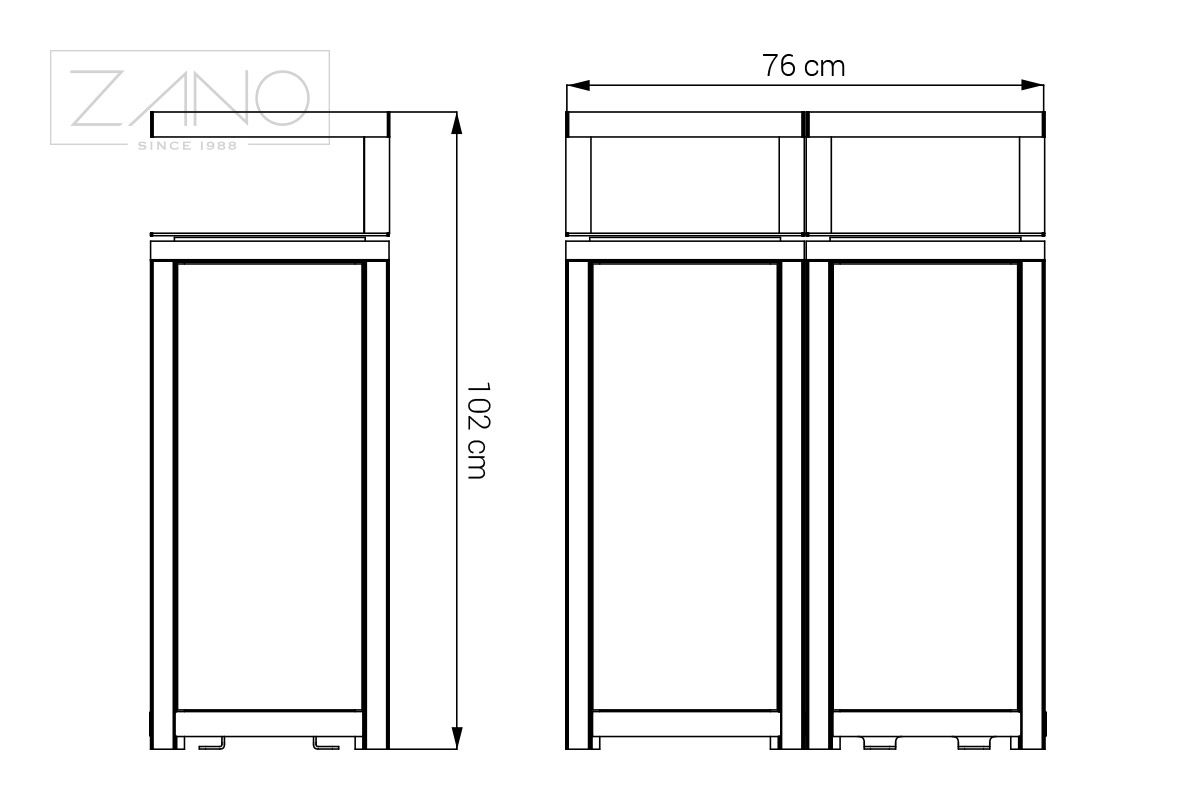
Engineered for high-traffic environments, this street furniture element features a dual-container system, offering a total capacity that is optimized for effective recycling. Each of the two internal containers provides 13 1/4 gallons of space, allowing for the organized separation of waste materials. The bin stands at 40 1/4 inches in height, with a width of 30 inches and a depth of 15 inches, ensuring a compact footprint that fits seamlessly into walkways, plazas, and city centers. As a dedicated waste segregation solution, this model is designed without an ashtray to maintain a strictly clean waste collection process, emphasizing its utility as a modern, functional asset for municipal and commercial landscapes.
Flexibility in placement is a key feature of the Altus line. The product can be configured as a free-standing unit for versatile positioning or securely anchored to the ground using a dedicated screw-mounting method for permanent installations. By integrating this recycling bin into a development project, urban planners and designers can provide a clear, accessible, and aesthetically pleasing method for waste disposal. Its design balances form and function, ensuring that the infrastructure remains an unobtrusive yet highly effective component of the street furniture landscape, suitable for a variety of architectural contexts ranging from corporate campuses to modern metropolitan squares.