Options
-
Construction
- carbon steel (s235Jr)
-
Mounting method
- to be grouted in


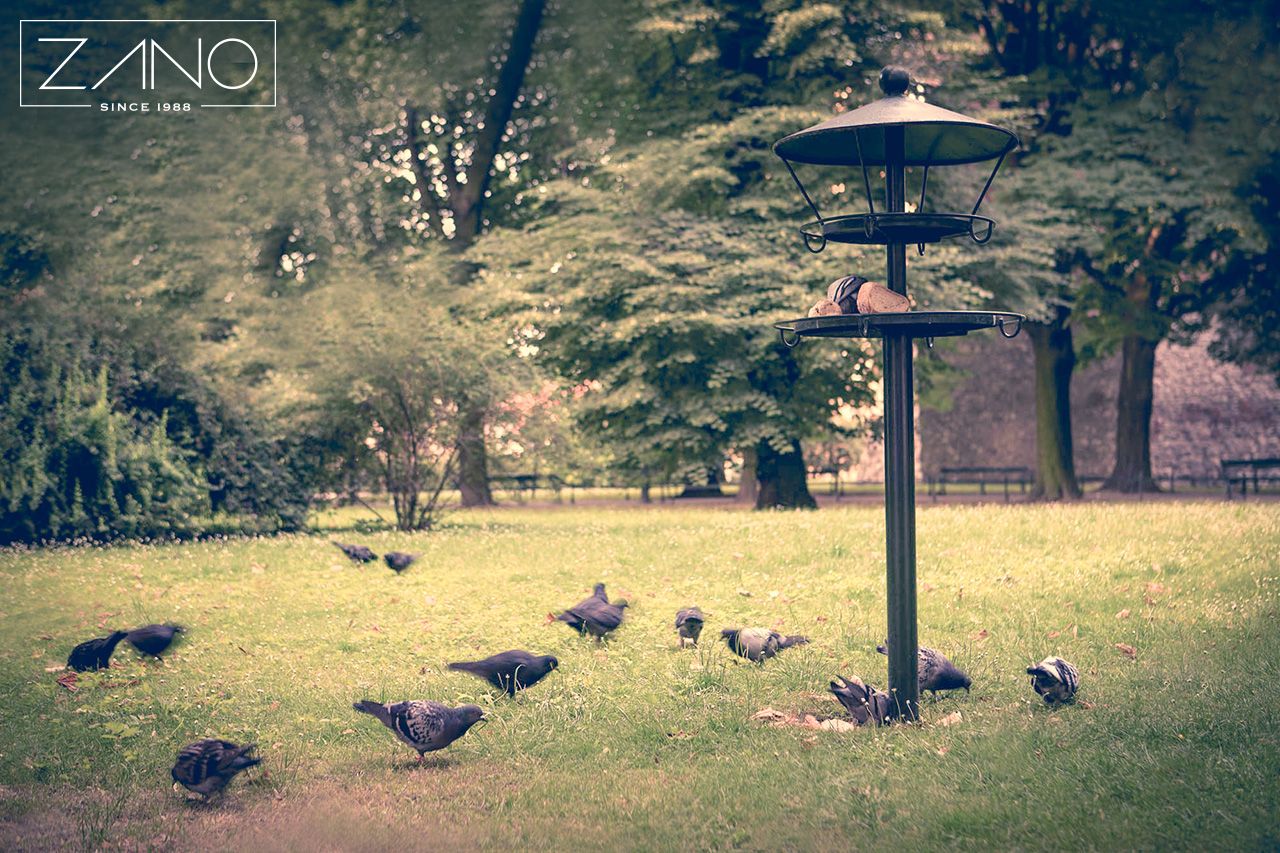
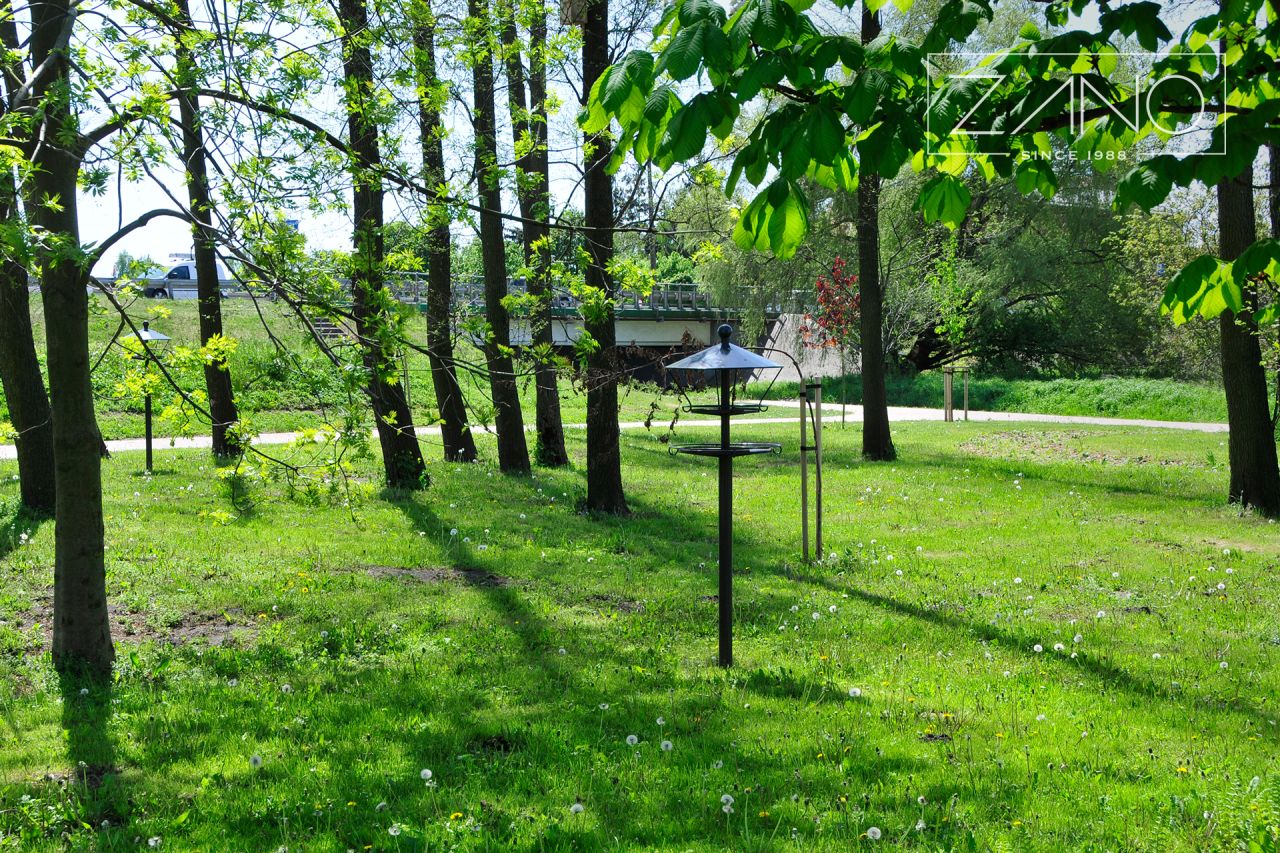
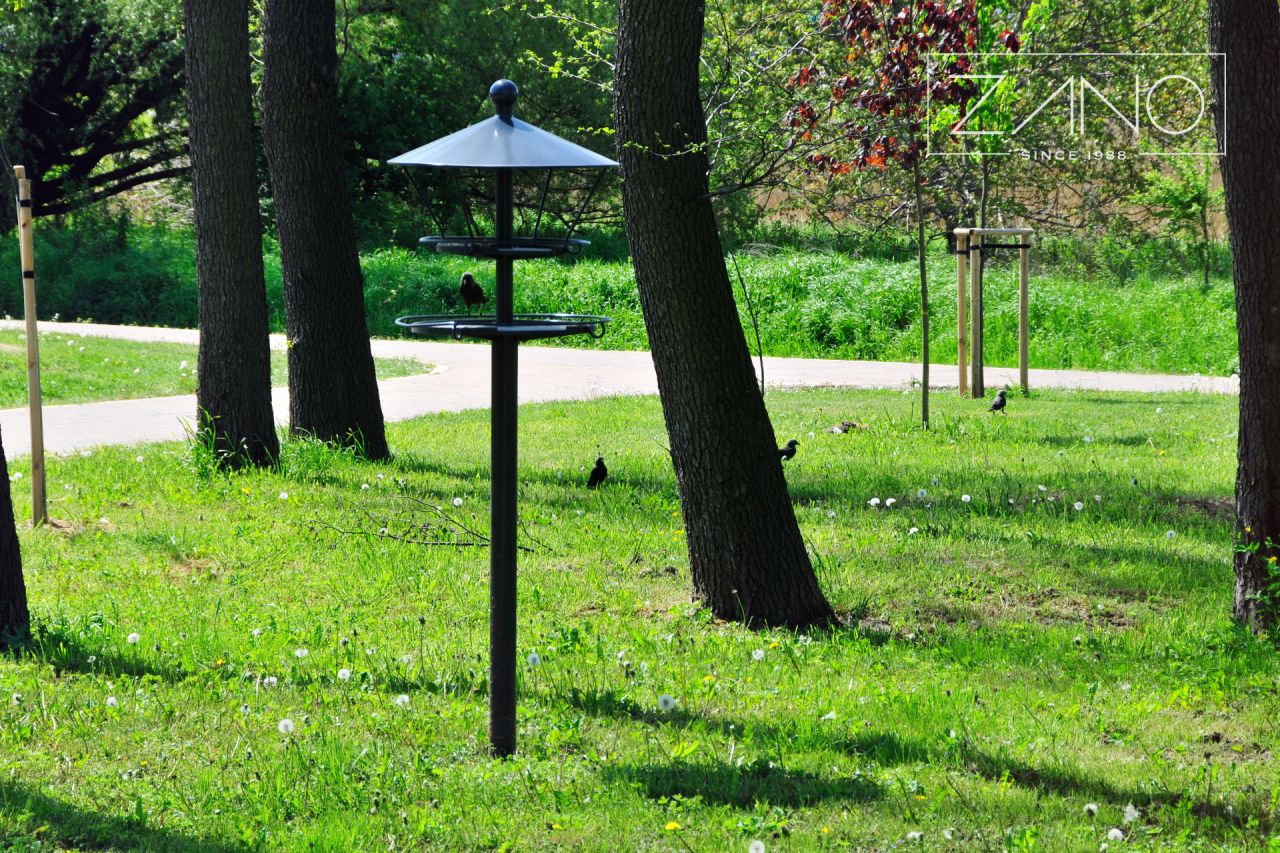
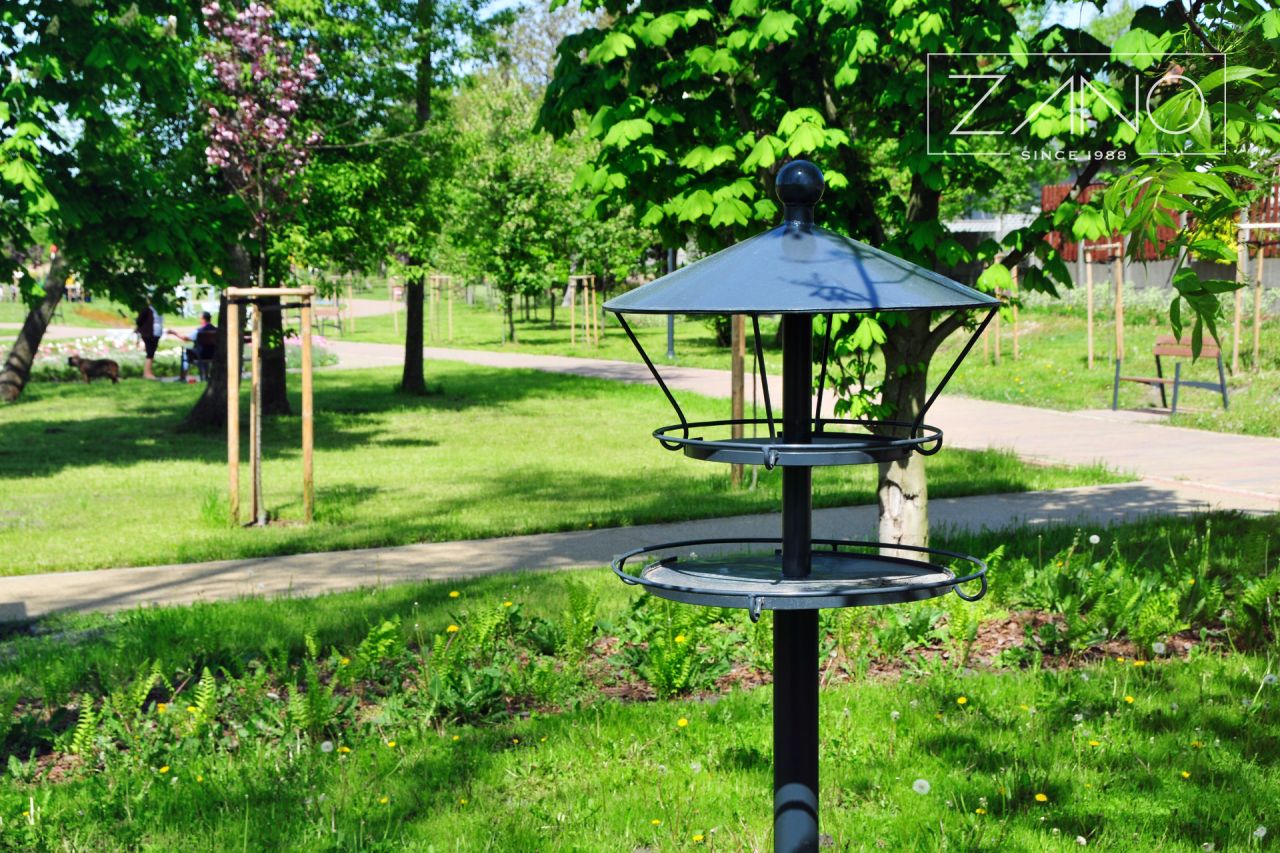

The 14.001 bird feeder from the ZANO Retro collection represents a sophisticated addition to contemporary urban furniture, blending classic aesthetics with robust engineering. Designed by Tomasz Szpytma, this elegant fixture stands as a testament to timeless design principles, making it an ideal choice for parks, botanical gardens, and historical town squares. Crafted with a focus on durability, the structure is composed of high-quality iron castings and resilient steel tubes, ensuring it withstands the rigors of outdoor environments while maintaining its visual appeal. As a piece of specialized street furniture, it serves both a functional and decorative purpose, providing a dedicated space for avian wildlife within the urban landscape.
Standing at an impressive height of 78 3/4 inches above the ground surface, this feeder is engineered for optimal visibility and safety. The robust construction, utilizing carbon steel (S235JR), guarantees long-term stability and resistance to external factors. The total height of 98 1/2 inches, inclusive of the anchor section, underscores the substantial nature of the design. With a width of 25 1/2 inches and a total weight of 110 pounds, the unit possesses a grounded, authoritative presence. The mounting method requires the base to be grouted into the ground, a technique that secures the installation firmly in place, ensuring the bird feeder remains a permanent and reliable element of the architectural setting.
This feeder on a pole integrates seamlessly into diverse environments, from quiet residential pathways to bustling public greenspaces. By incorporating such thoughtful urban furniture, landscape designers can effectively promote biodiversity while elevating the aesthetic character of the surroundings. The Retro line is characterized by its meticulous attention to detail and harmonious proportions, reflecting a commitment to high-quality craftsmanship. Every component is selected to provide a balance of form and function, ensuring that this unit not only serves the local bird population but also enhances the overall utility and charm of the site. It is a quintessential example of how functional public space equipment can harmoniously coexist with nature.