Description
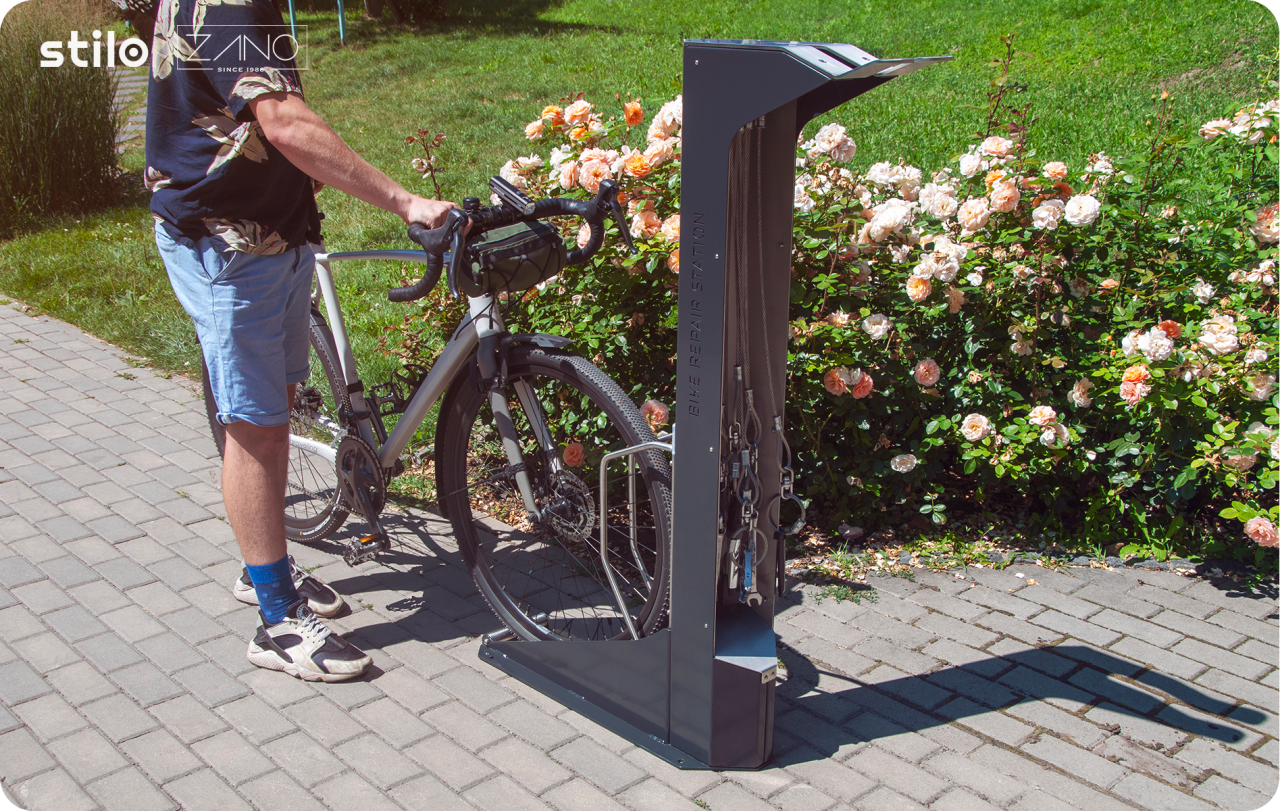
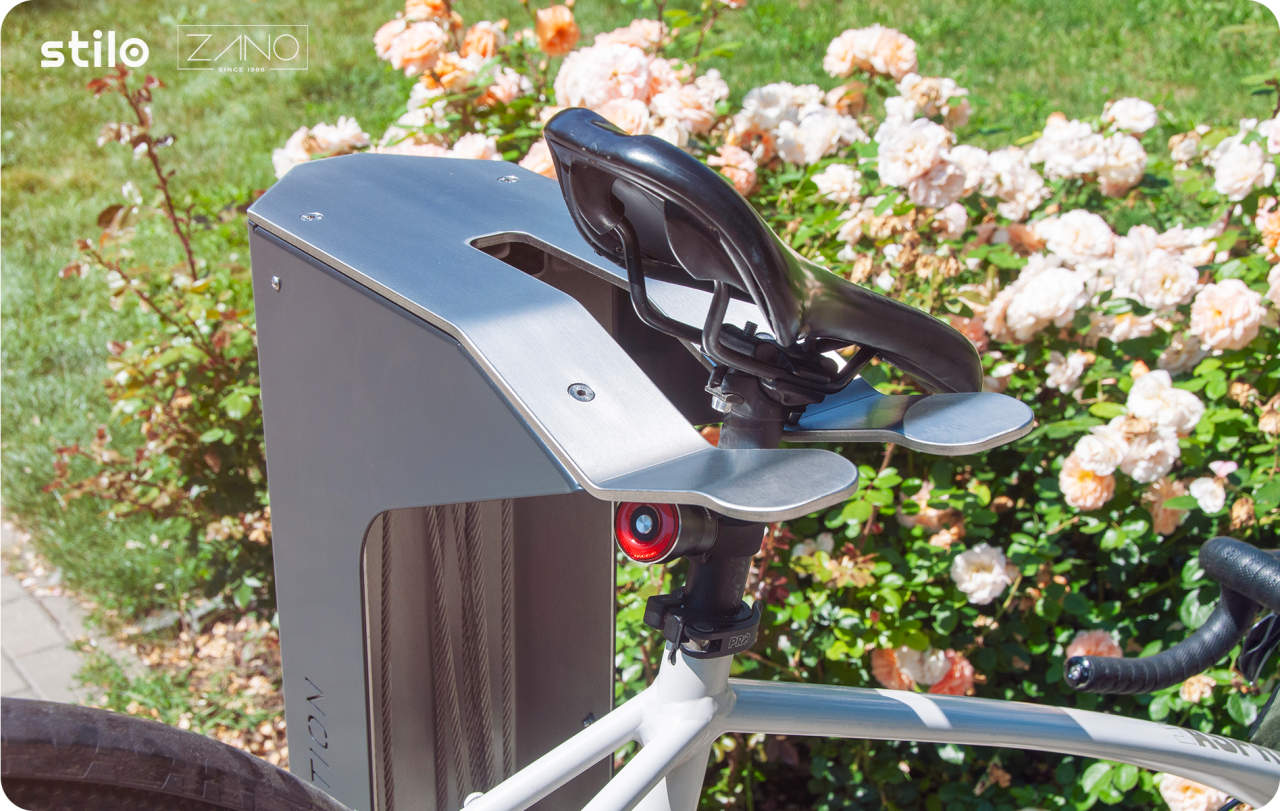
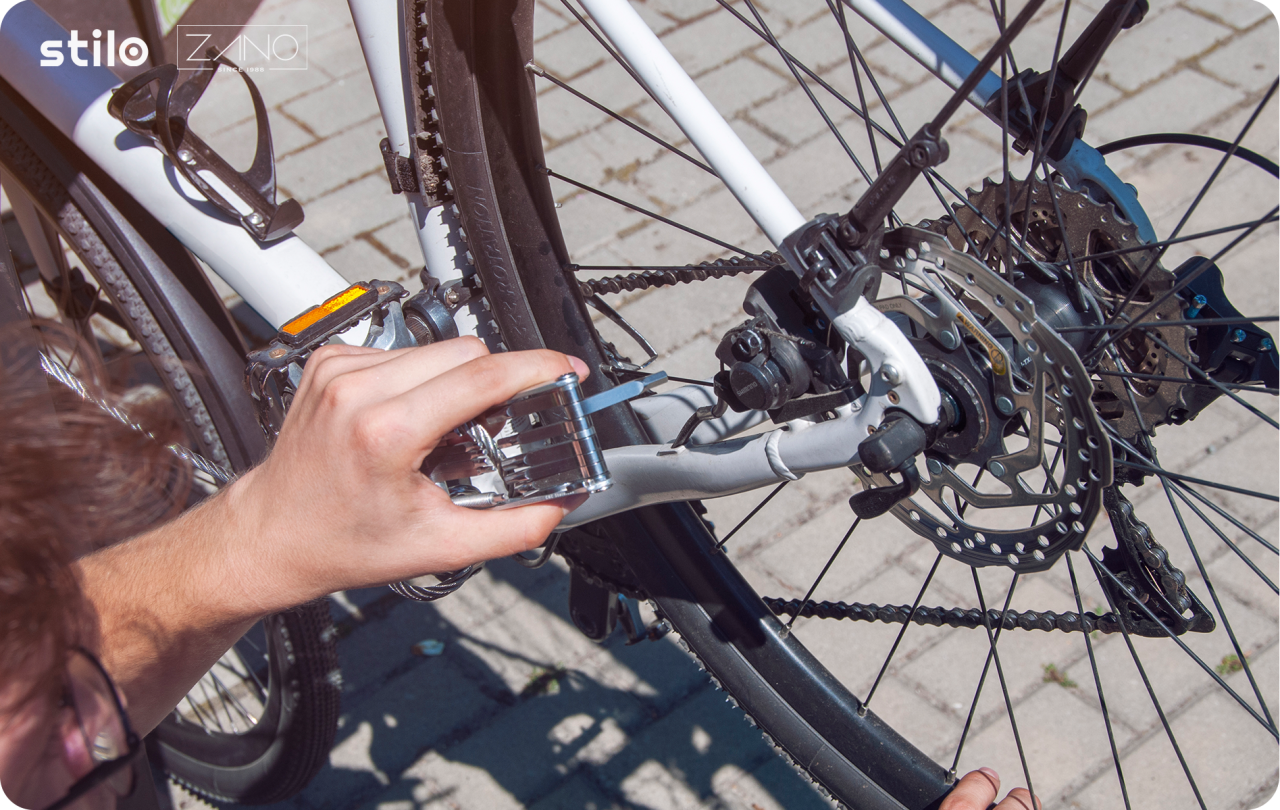
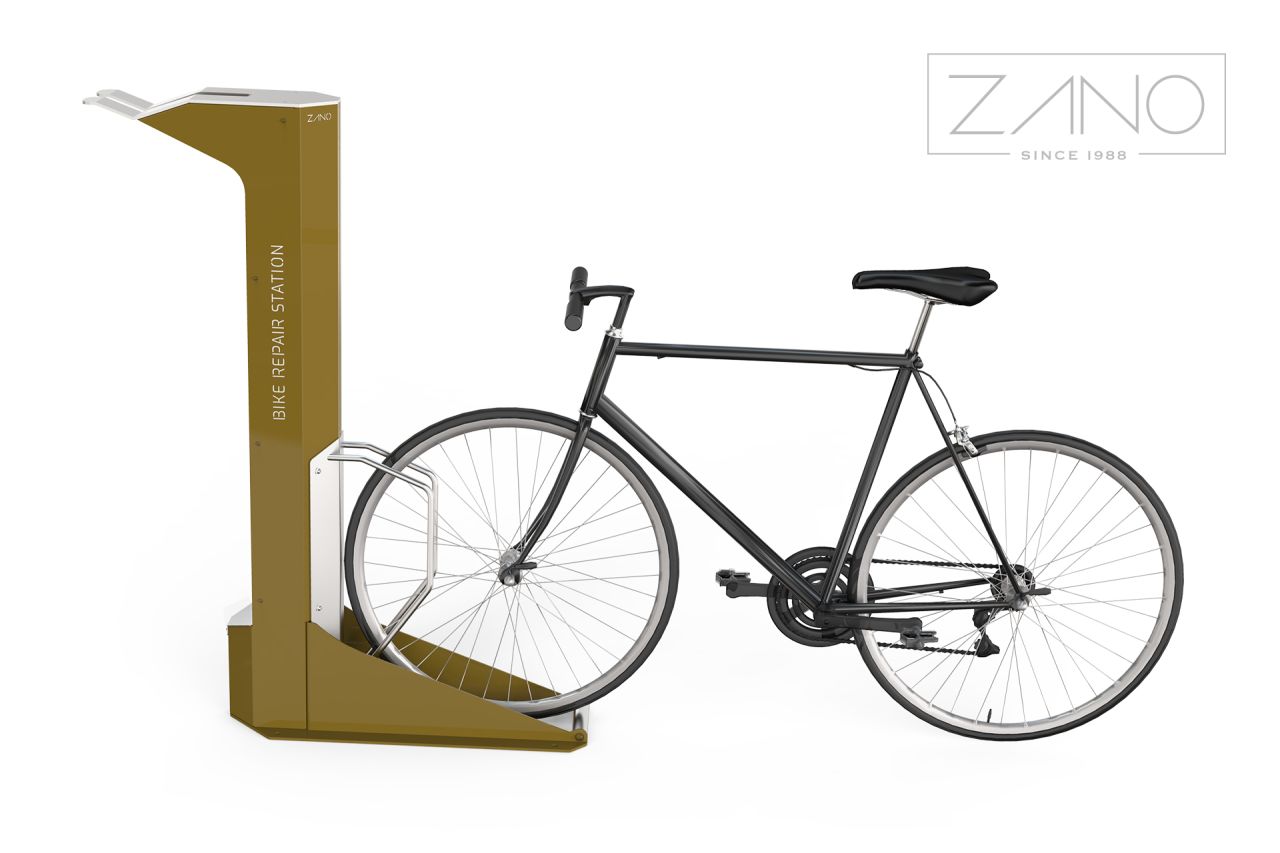
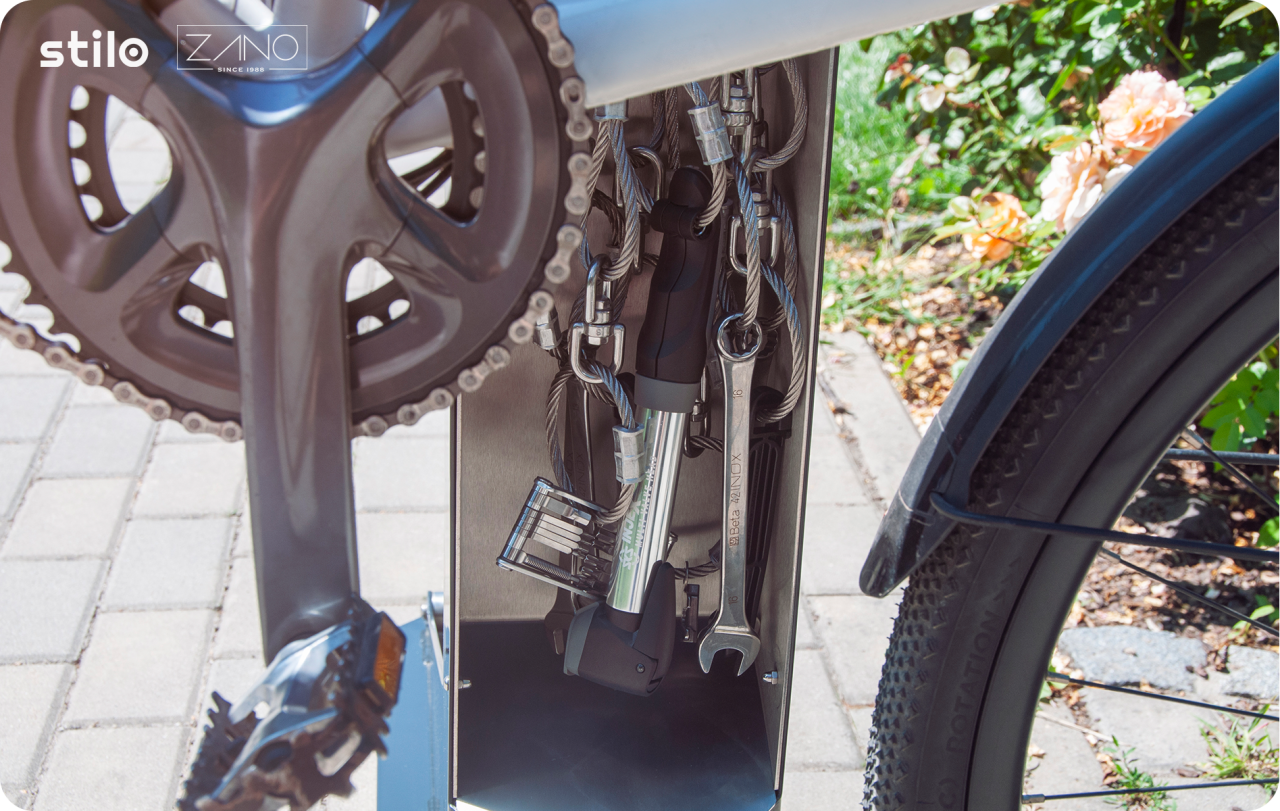
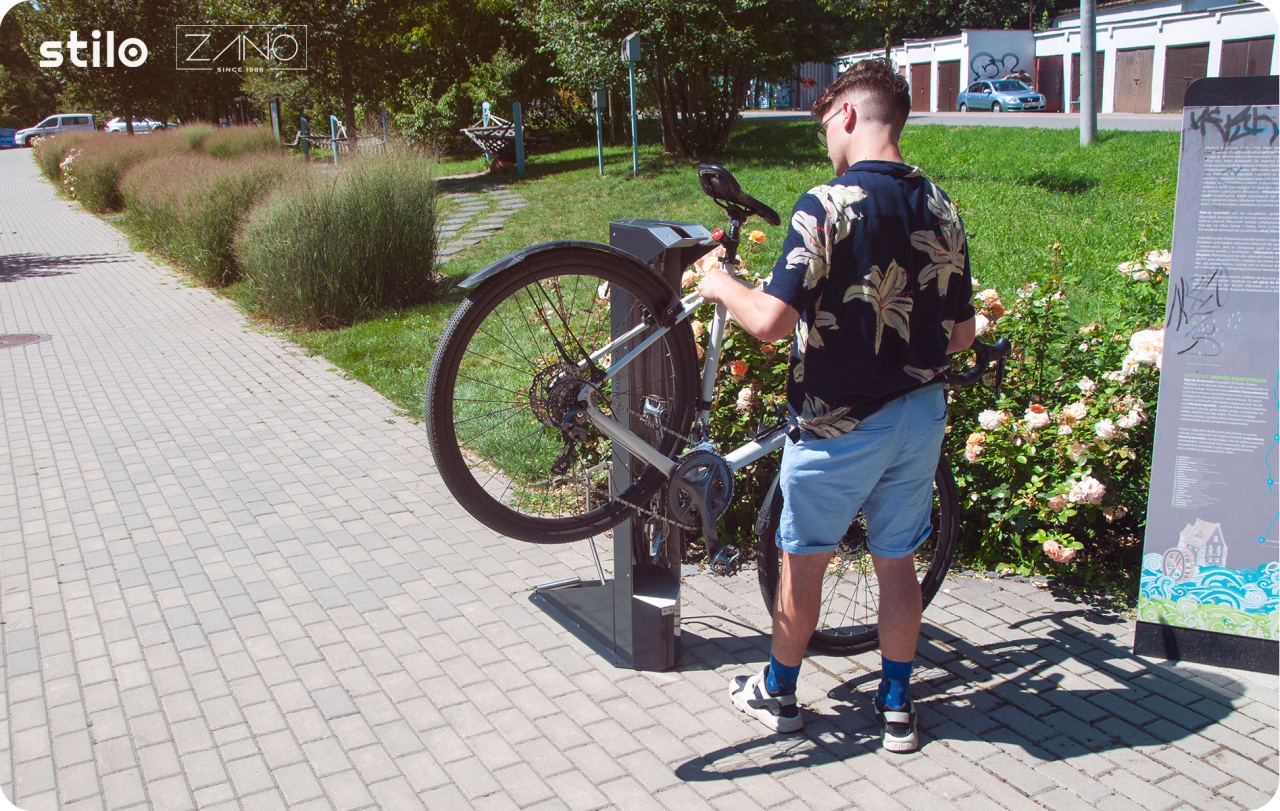
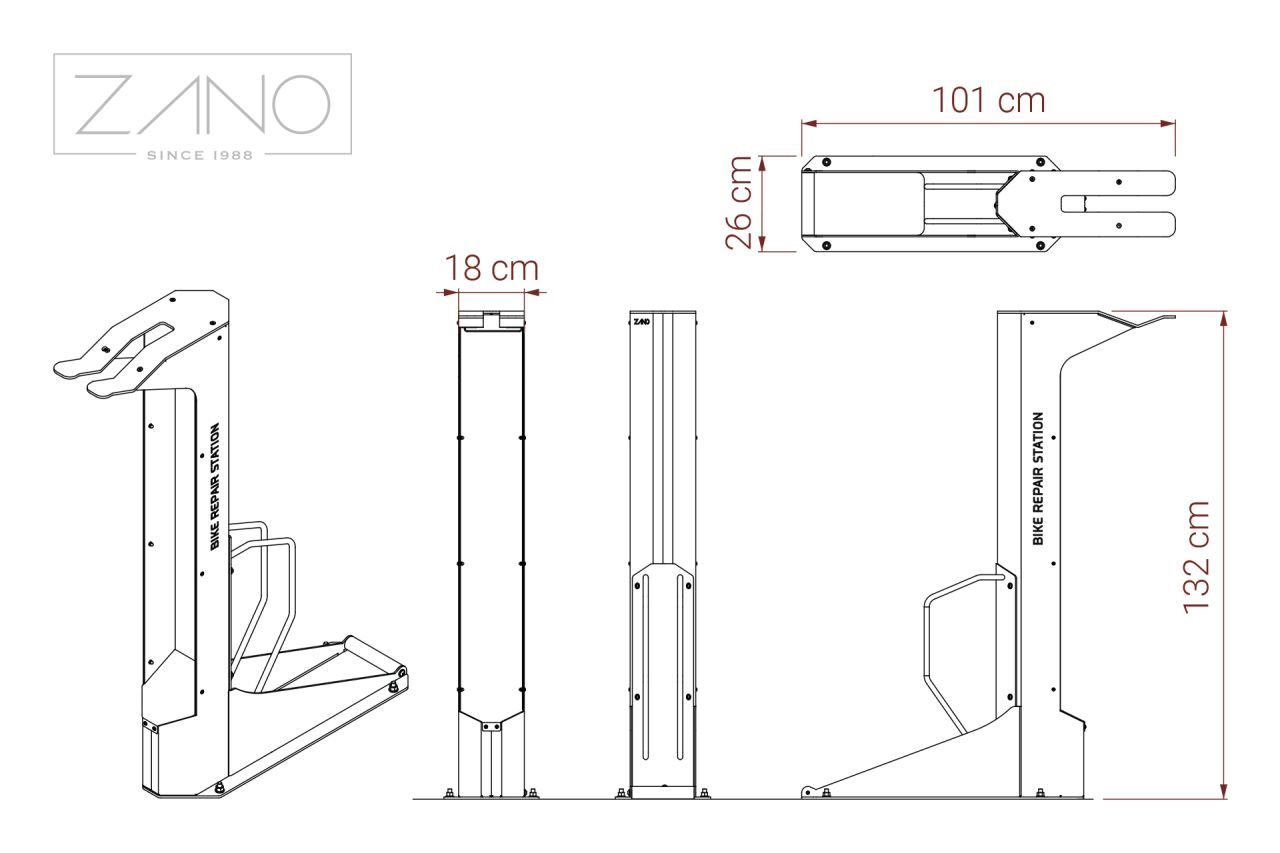
The Stilo bicycle repair station, model 18.048.1, represents a sophisticated advancement in modern street furniture, specifically engineered to support the needs of active urban communities. Designed by Iwona Żaczek, this robust station serves as an essential fixture for urban furniture infrastructure, providing cyclists with a comprehensive, professional-grade solution for on-the-go maintenance. With a height of 52 inches and a thoughtful, ergonomic footprint, the Stilo line integrates seamlessly into public spaces, cycling hubs, and transit centers. Its sleek, vertical aesthetic adheres to contemporary design standards, ensuring that high-utility hardware remains visually cohesive with its surroundings.
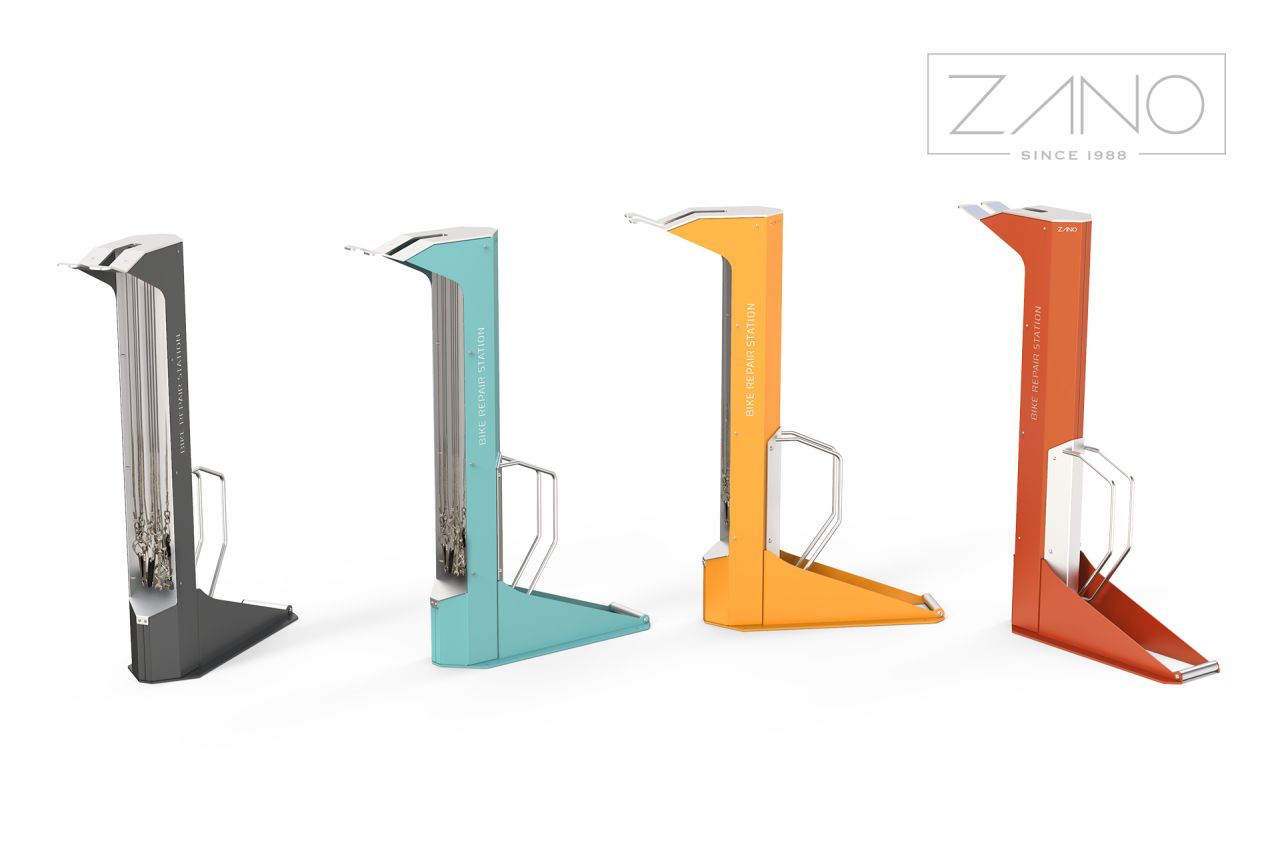
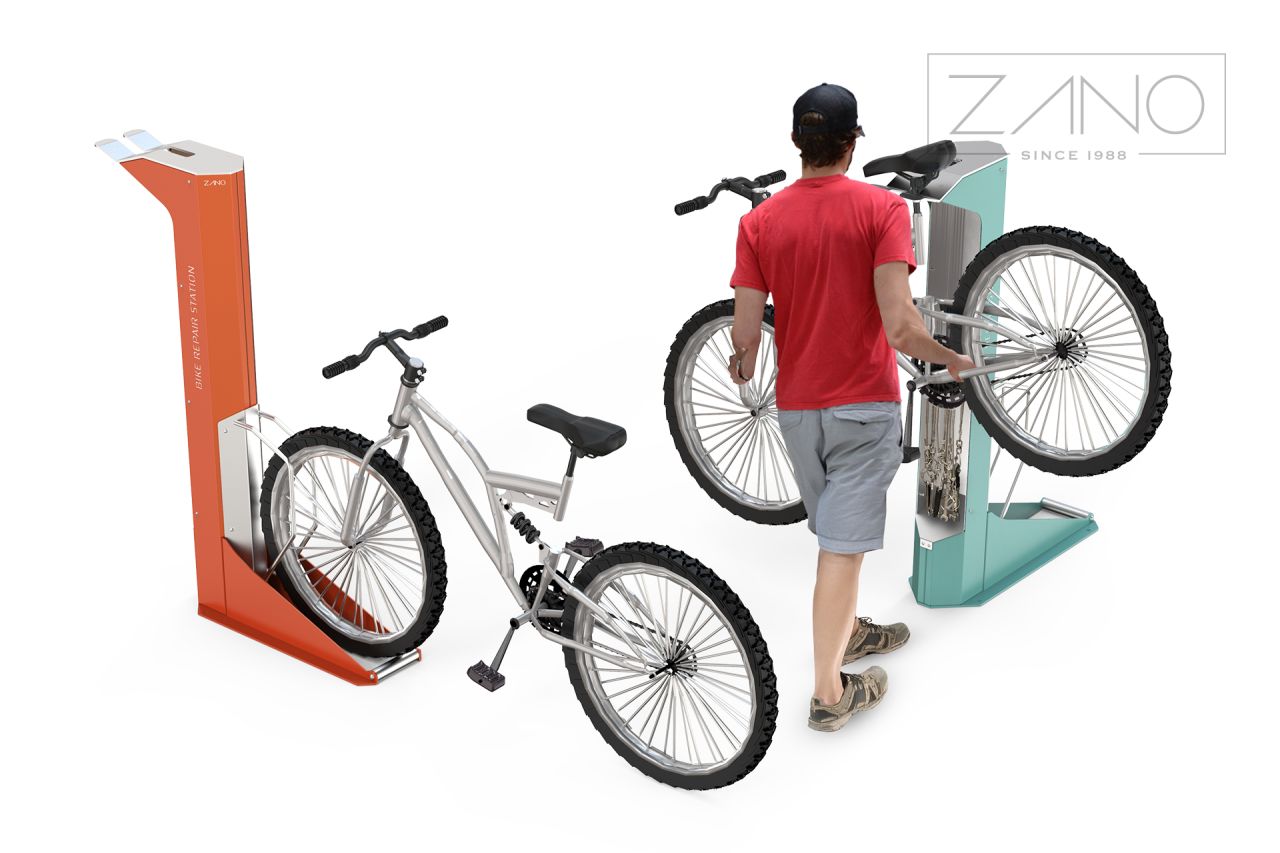
Durability is at the core of the Stilo design. The construction is available in high-quality carbon steel (S235JR), which is galvanized and powder-coated in a wide selection of RAL colors for enhanced corrosion resistance, or premium stainless steel (AISI 304) for long-term endurance in demanding environmental conditions. Weighing 66 lbs, the unit is engineered to be permanently secured via a screw-mounted installation method, ensuring stability and safety for users. This repair station is built to withstand heavy daily use while maintaining its structural integrity, making it a reliable asset for any municipality or organization focused on promoting sustainable transportation and cycling safety.
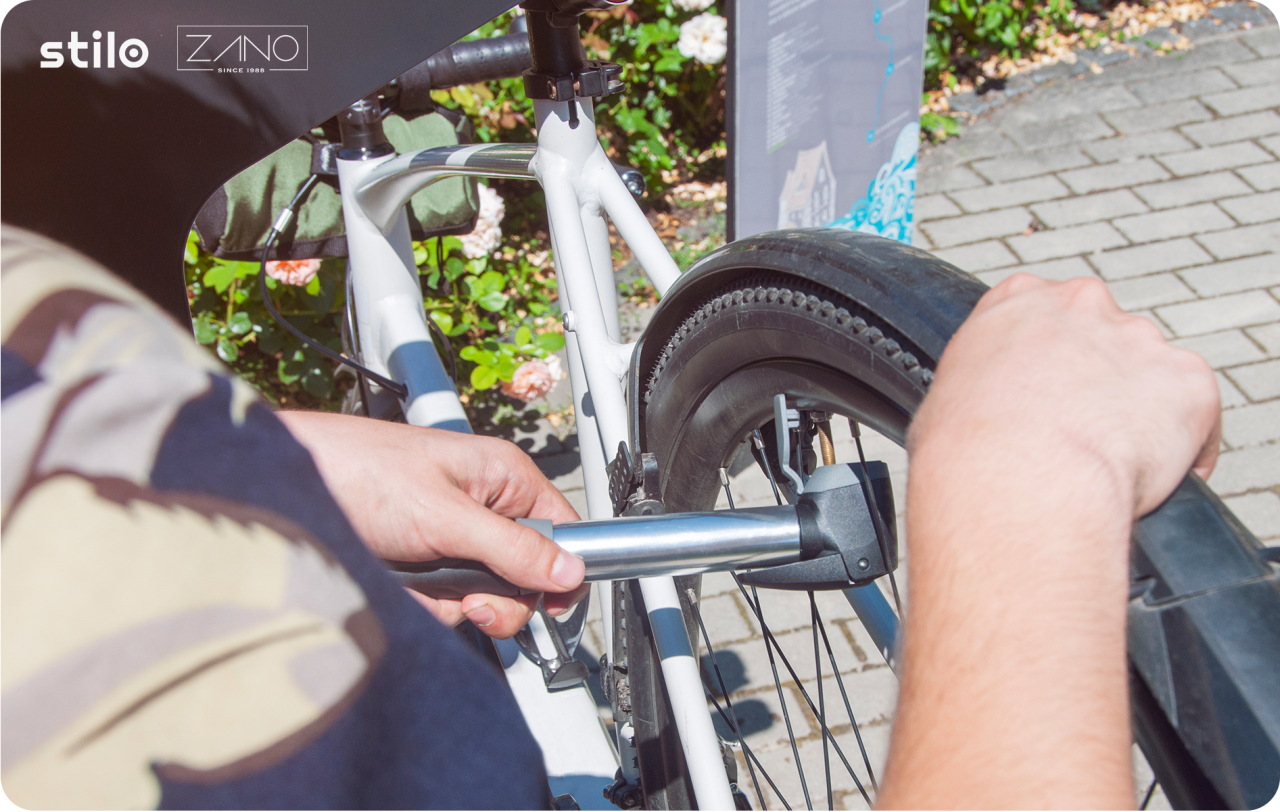
Customization options allow the Stilo bicycle repair station to serve as a distinct branding tool for local authorities or corporate campuses. Clients may opt for various logo applications, including precise laser-cut steel, etched stainless steel, or high-durability stickers. As part of a larger ecosystem of urban furniture—which includes benches, trash bins, and other modular components—the Stilo station provides an intuitive and accessible interface for bicycle adjustment and repair. By integrating these specialized repair stations into city centers and bike paths, stakeholders demonstrate a clear commitment to fostering a bicycle-friendly environment, effectively bridging the gap between utilitarian functionality and modern public design.