Description
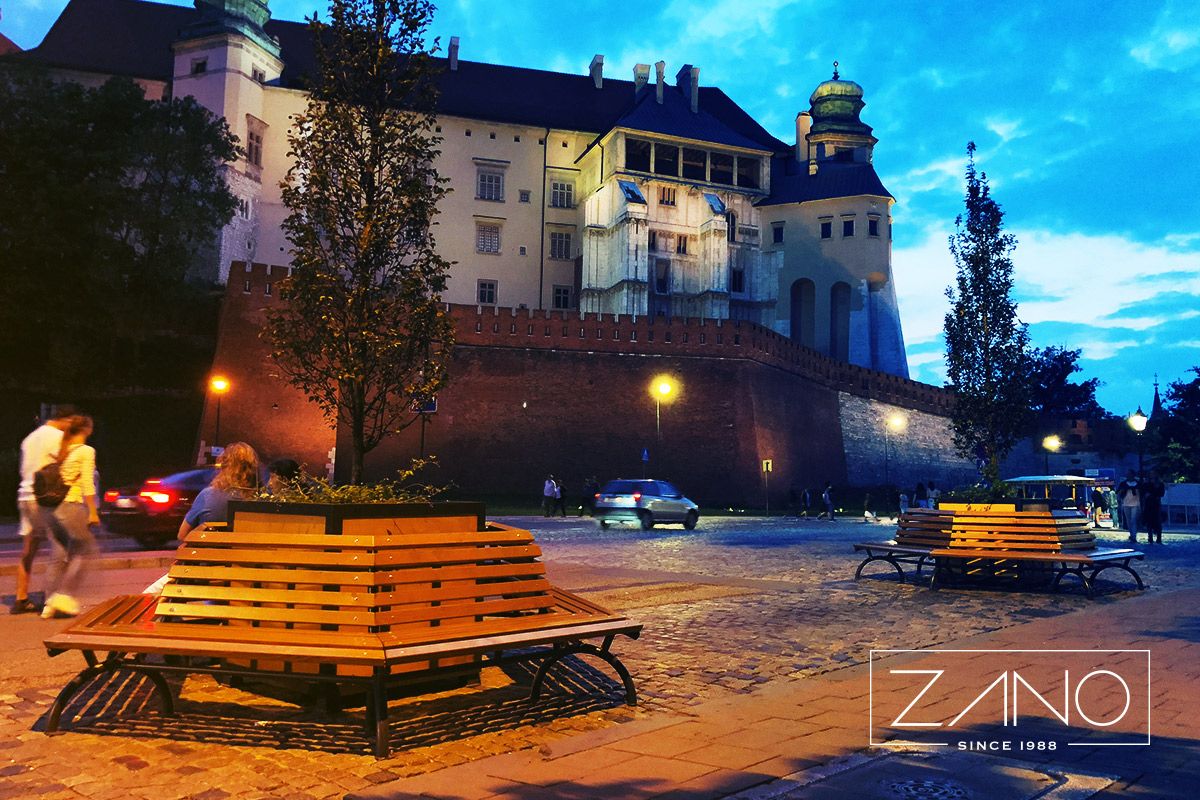
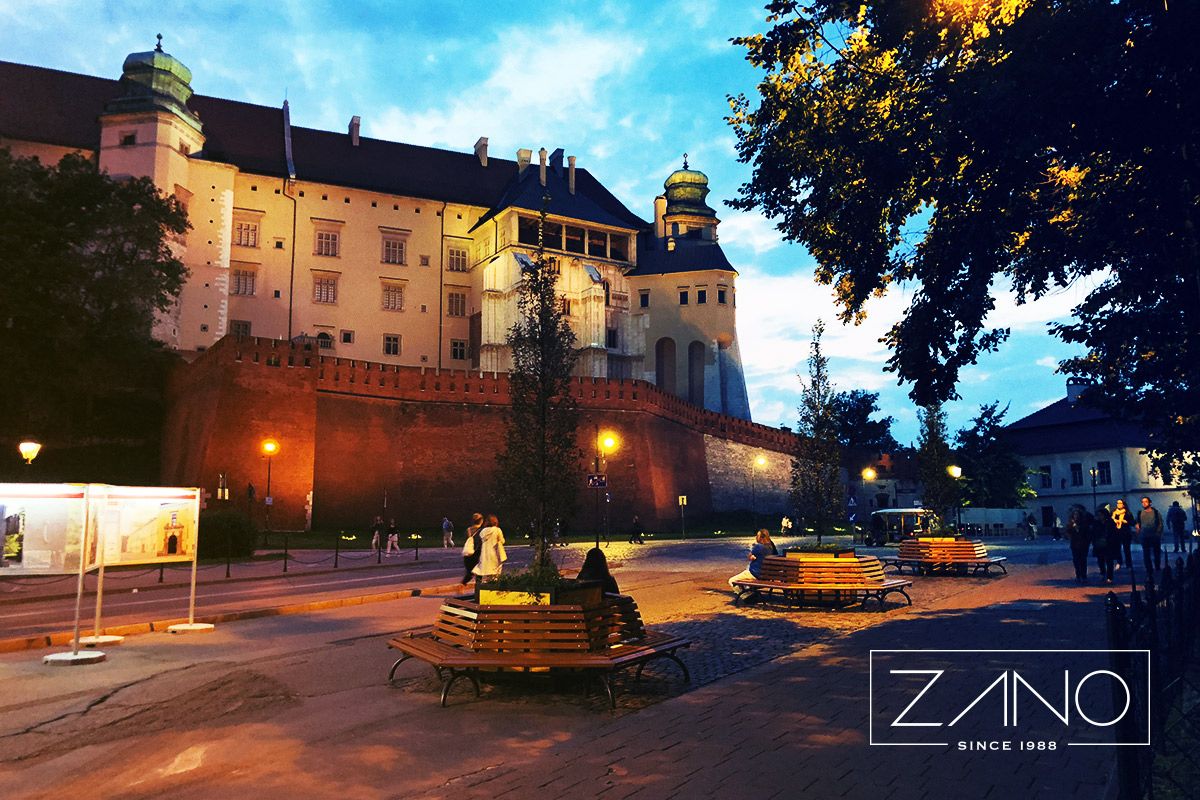
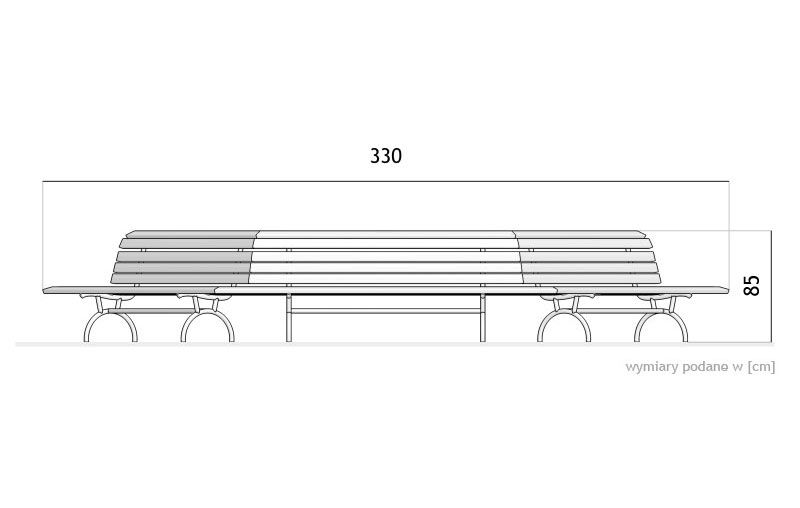
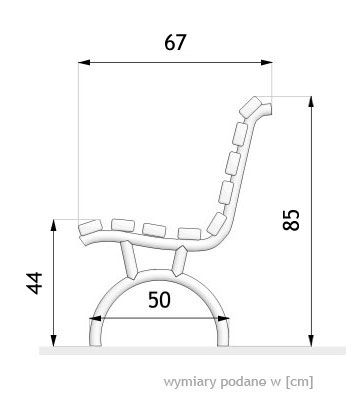
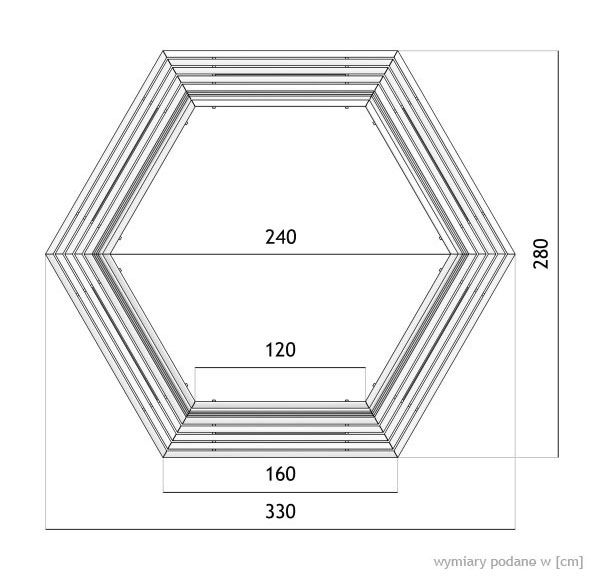
The Parco bench (02.286), designed by Tomasz Szpytma, represents a masterclass in modern urban furniture design, blending substantial form with refined aesthetic appeal. This one-sided bench with a backrest is engineered for high-traffic public spaces, offering a grand scale with a total length of 130 inches and a width of 110 1/4 inches. The robust construction is based on high-quality carbon steel (S235Jr), which is protected by a chemically cured paint finish to ensure maximum durability against environmental exposure. With a significant weight of 551 lbs, this piece of street furniture provides a permanent, stable seating solution designed to withstand the rigors of public use while maintaining its structural integrity over time.
Customization is central to the Parco line, allowing for seamless integration into various landscape architectures. The seat and backrest are available in a diverse selection of premium materials, including European coniferous wood, hardwood of European origin, oiled exotic wood, or premium exotic wood, ensuring both comfort and a sophisticated visual finish. This versatility allows designers to select the ideal wood grain and tone to complement the surrounding environment, whether in a park, a corporate plaza, or an upscale city center. The meticulous attention to material quality ensures that these benches remain resilient and visually striking throughout the changing seasons.
Functionality and ease of installation are key features of the Parco collection. Designed for secure, permanent placement, the unit is installed via a screw-mounting method, providing a solid anchor point that discourages movement and ensures visitor safety in public settings. By combining industrial-grade materials with elegant, intentional design, the Parco bench stands as a premier example of contemporary street furniture that elevates the user experience in outdoor spaces. Its imposing presence and ergonomic backrest design prioritize comfort without sacrificing the clean, architectural lines that define the work of Tomasz Szpytma.