Description
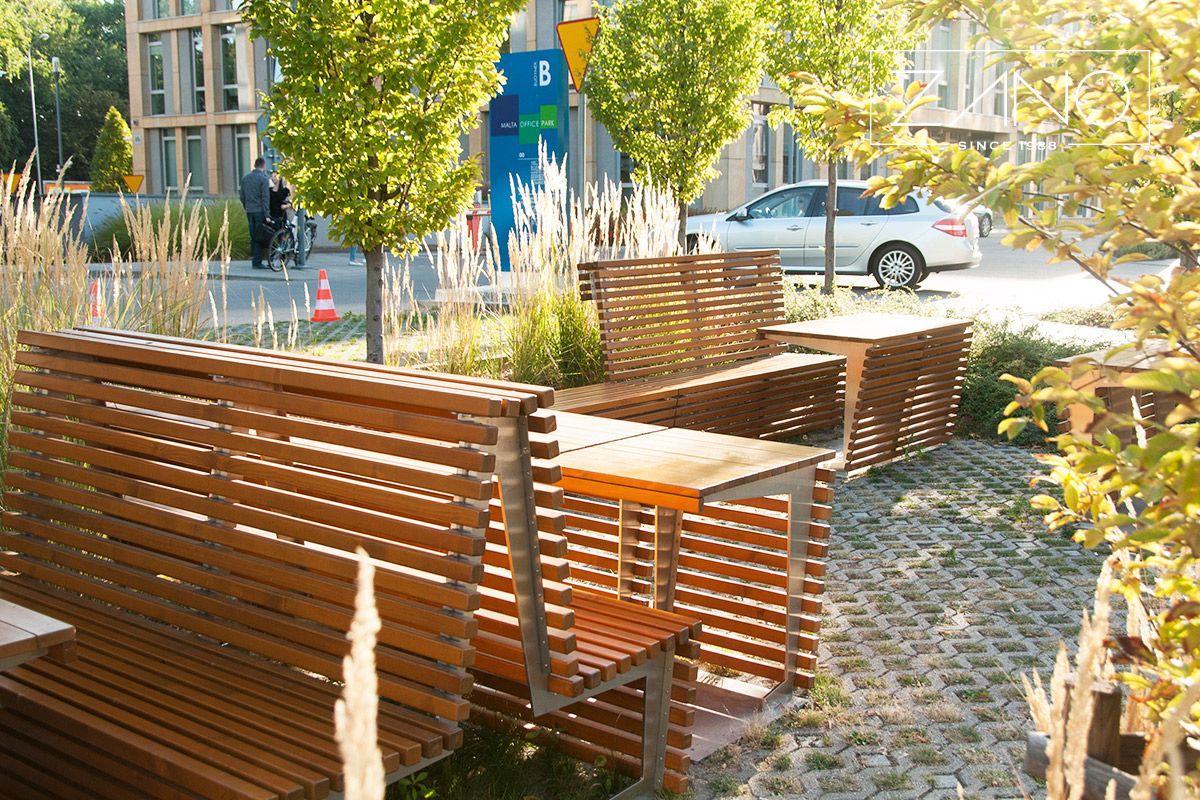
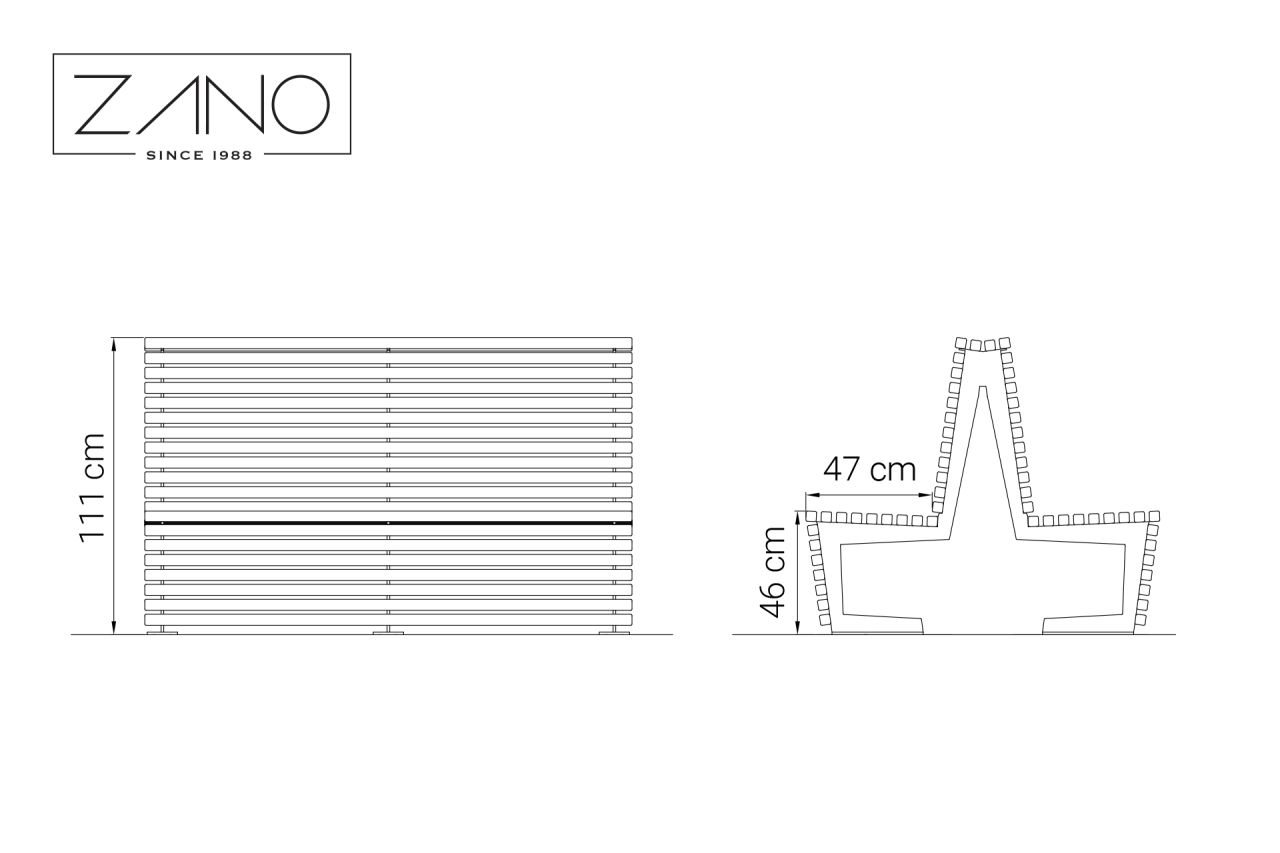
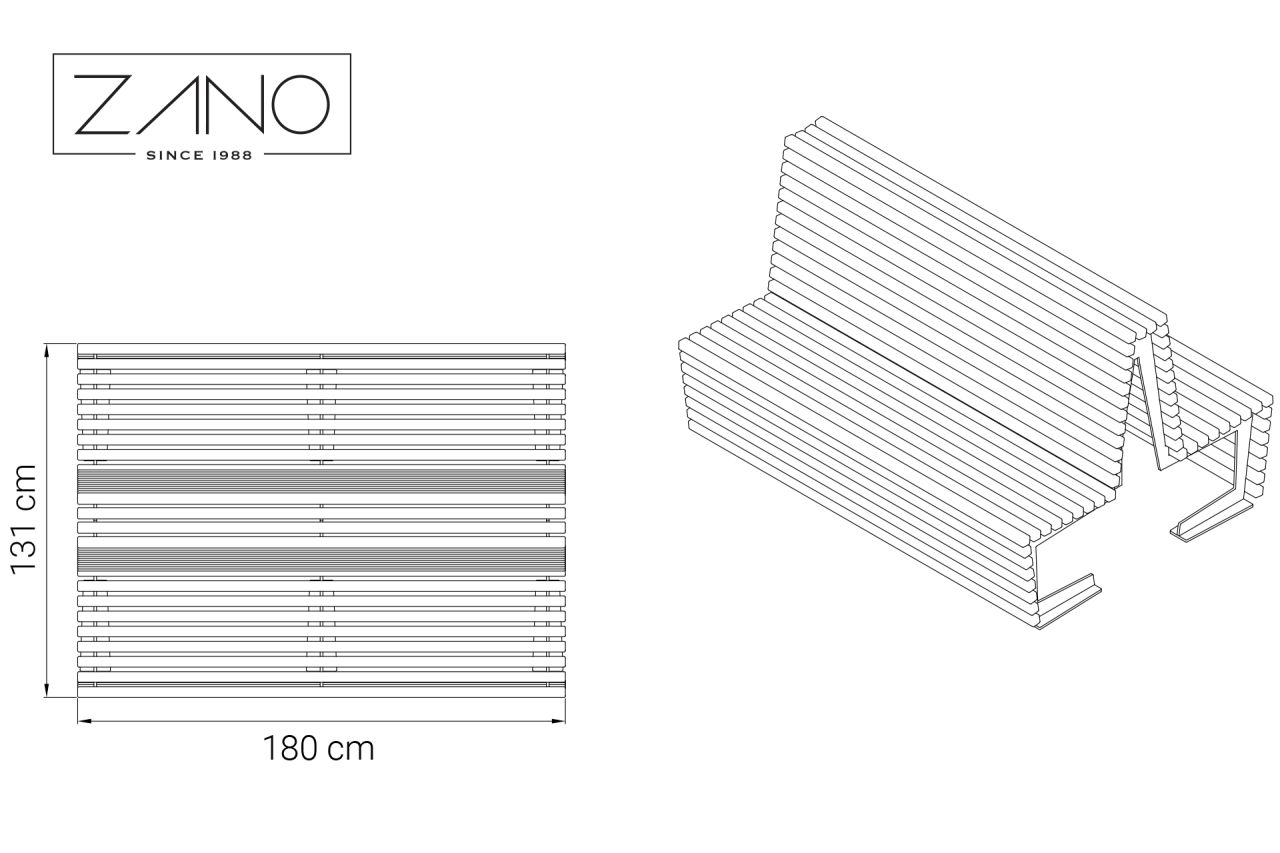
The Flash bench (model 02.225) represents a sophisticated evolution in street furniture, specifically engineered to provide versatile seating solutions for high-traffic public spaces. As part of the distinguished Flash product line, this double-sided bench features a unique, expansive design that promotes social interaction and maximizes utility in urban environments. With an impressive width of 70 3/4 inches and a substantial depth of 51 1/2 inches, the structure is designed to anchor open squares, parks, and transit hubs. The inclusion of a robust backrest enhances user comfort, making it an ideal choice for long-term resting areas where ergonomic support is a priority for urban furniture installations.
Durability is at the core of the Flash bench construction, offering flexible material specifications to suit various climate conditions and maintenance requirements. The load-bearing frame is available in either high-grade carbon steel (S235JR) or corrosion-resistant stainless steel (AISI 304), ensuring long-term structural integrity. Clients can further customize the seating surface with a diverse selection of premium materials, including European coniferous wood, durable hardwood of European origin, oiled or premium exotic woods, and sustainable eco-plank options. Depending on the chosen material, the weight of the unit ranges from 280 lbs to a solid 450 lbs, providing a stable, vandal-resistant addition to any public space design.
The modular nature of the Flash collection allows designers to create cohesive seating arrangements, effectively transforming large plazas into inviting communal areas. Engineered for stability, the unit is intended for secure mounting directly to the ground via a professional screw-fixation method. This seamless integration into the pavement ensures safety and permanence in busy urban settings. By combining industrial-strength metallurgy with high-quality timber finishes, the Flash bench stands as a hallmark of modern benches, offering a refined aesthetic that bridges the gap between functional infrastructure and contemporary landscape architecture.