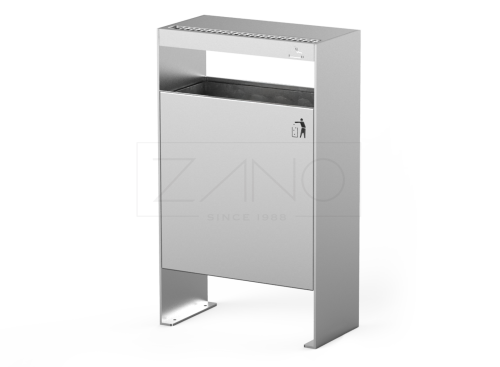
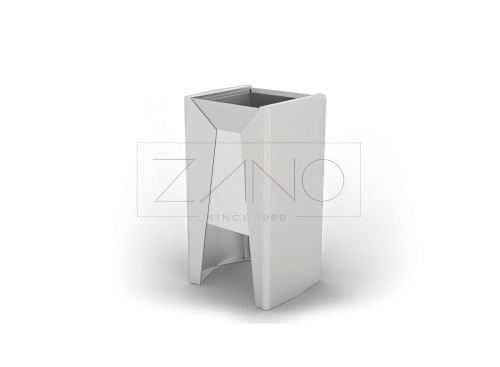
Trash bin Photon
03.009
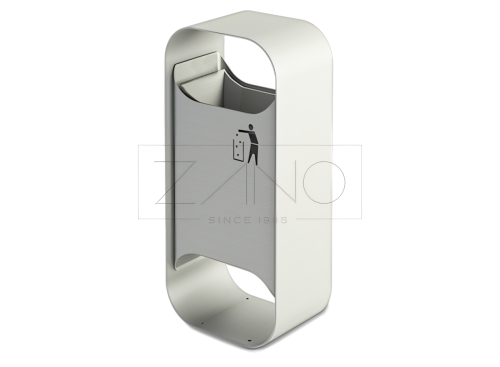
Trash bin Clipo
03.064
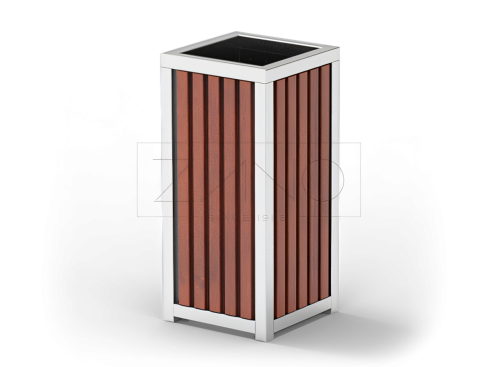
Trash bin Altus
03.052
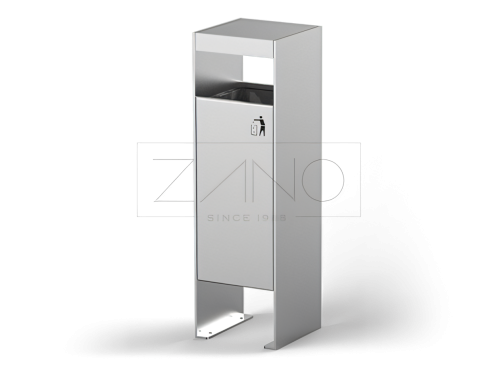
Trash bin Simple
03.061
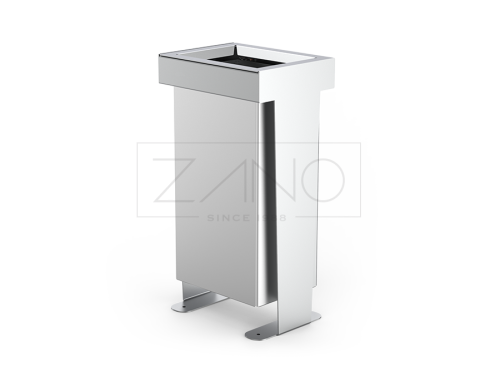
Trash bin Reliq
03.013
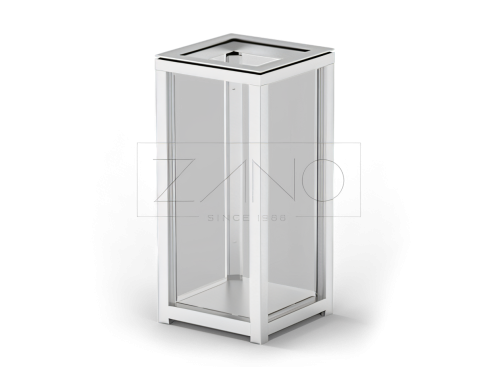
Anti-terrorist waste bin Altus
03.052.4
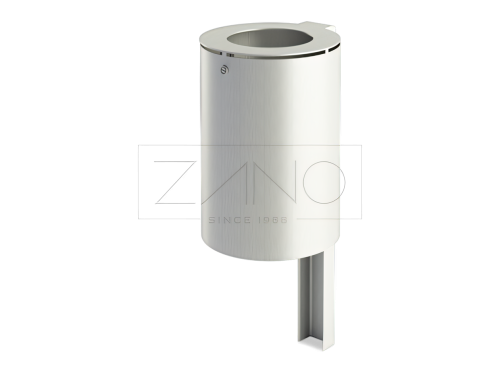
Trash bin Aries
03.065
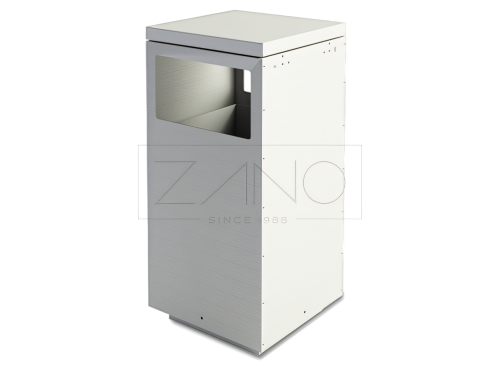
Trash bin Mimesis
03.062
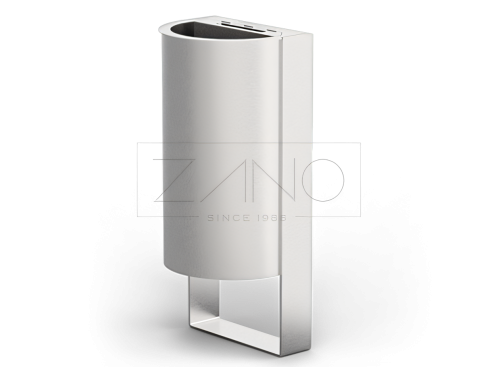
Trash bin with ashtray Start
03.044.1
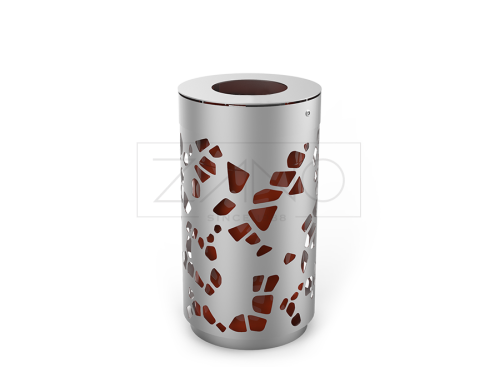
Trash bin Tubus
03.053.2
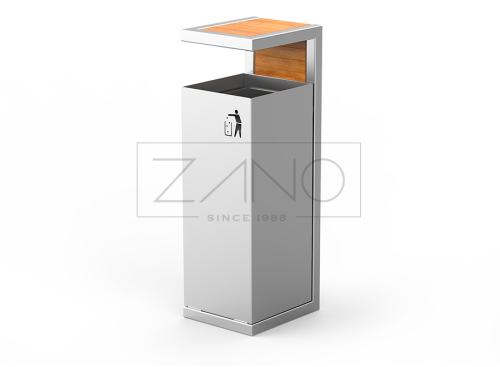
Trash bin Pavo
03.063.1
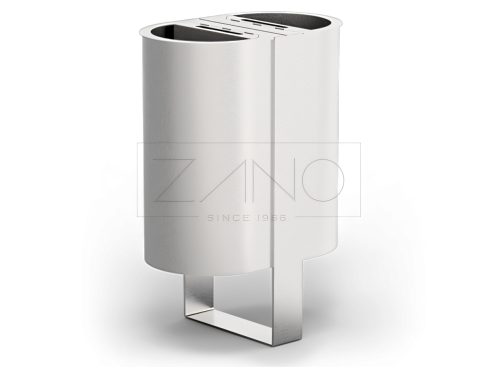
Trash bin with ashtray Start
03.244.1
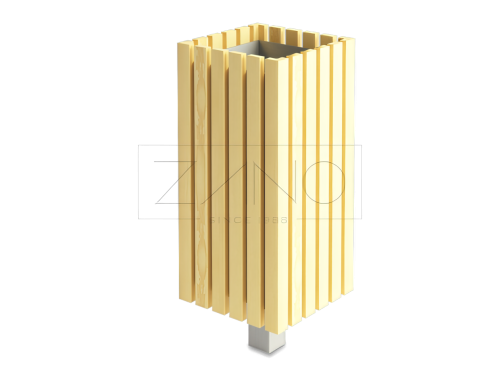
Trash bin Onis
03.058
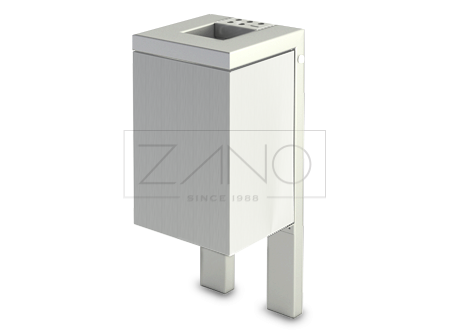
Trash bin with ashtray Cubus
03.055
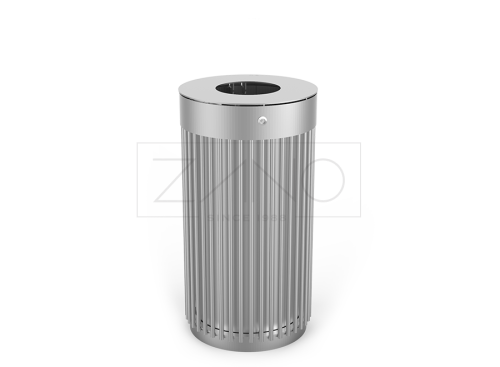
Trash bin Tubus
03.053
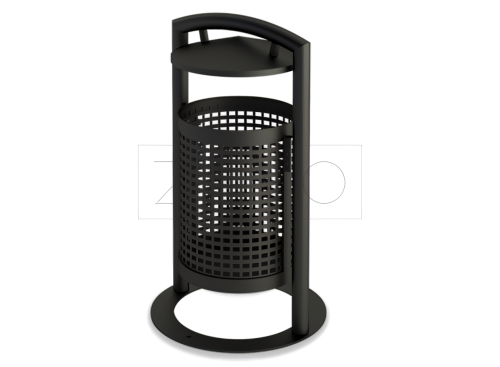
Trash bin Revo
03.038
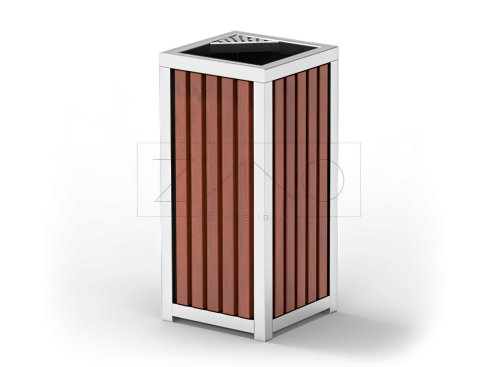
Trash bin with ashtray Altus
03.052.02
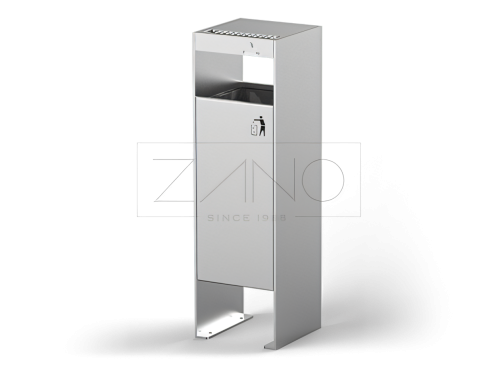
Waste bin with ashtray Simple
03.061.1
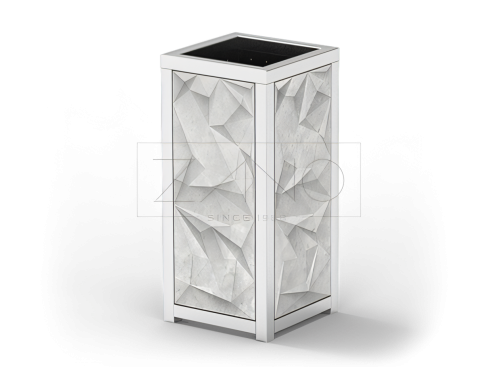
Trigono Trash Bin
03.070
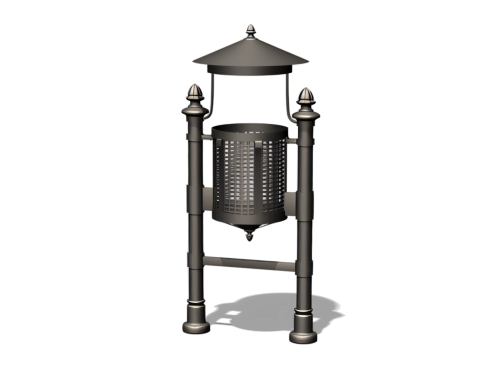
Trash bin Royal
03.033
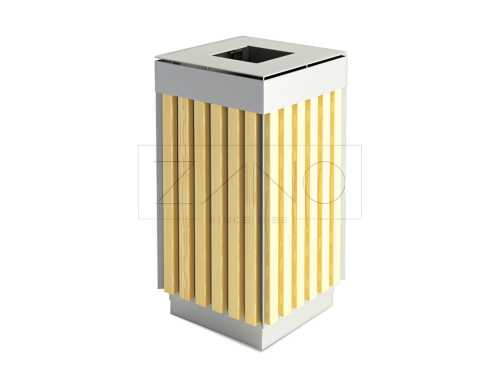
Trash bin Argo
03.066
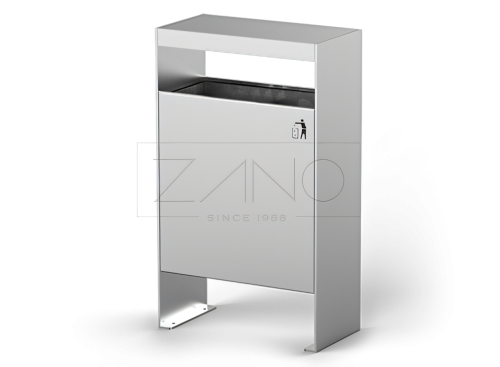
Waste bin Simple
03.261
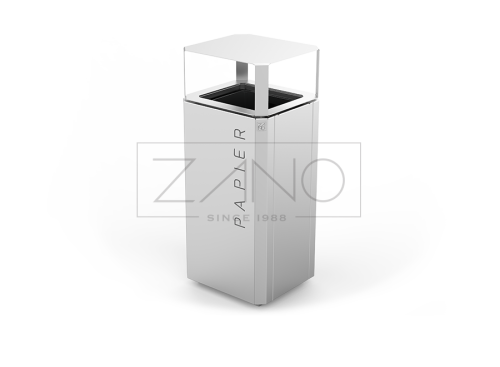
Trash bin Stilo
03.048.1
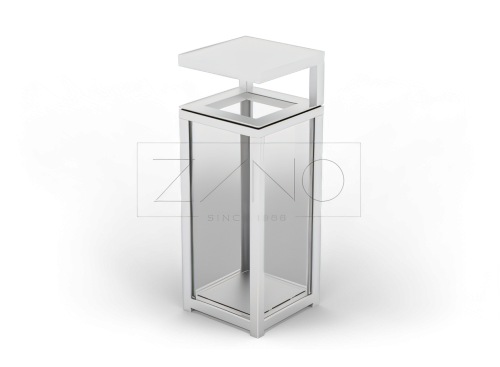
Anti-terrorist waste bin Altus
03.052.5
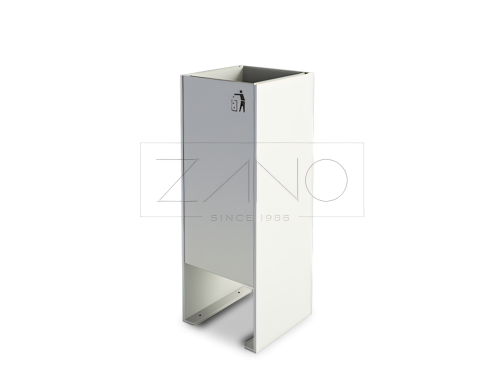
Trash bin Simple
03.060
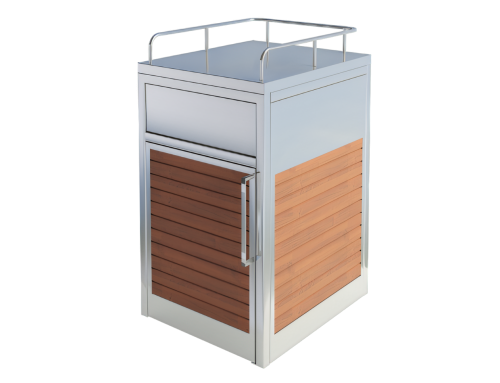
Trash bin Salver
03.068
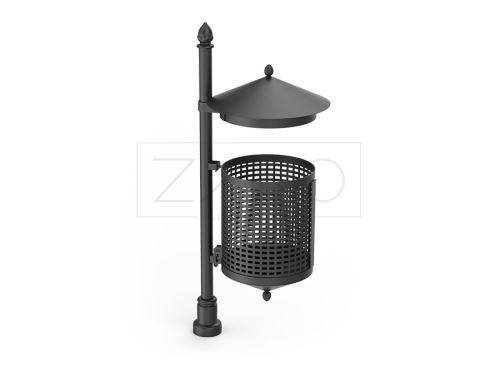
Trash bin Tino
03.034
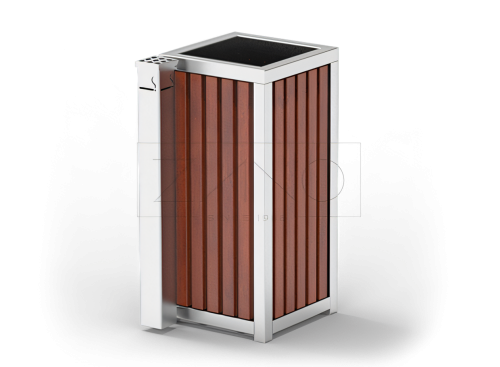
Trash bin with ashtray Altus
03.052.03
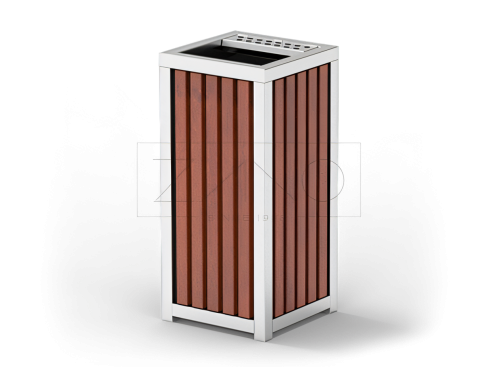
Trash bin with ashtray Altus
03.052.01
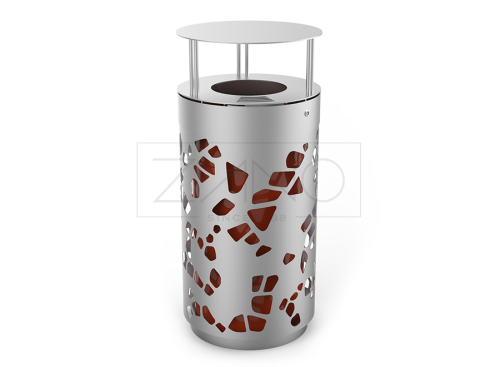
Trash bin with ashtray Tubus
03.053.11
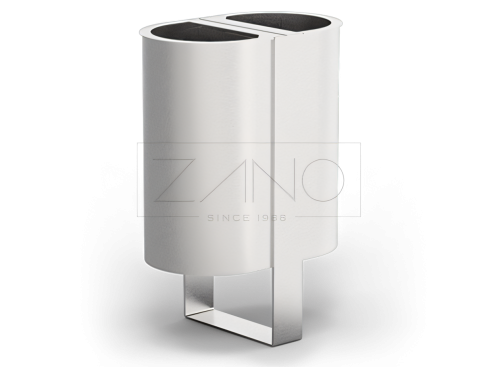
Trash bin Start
03.244
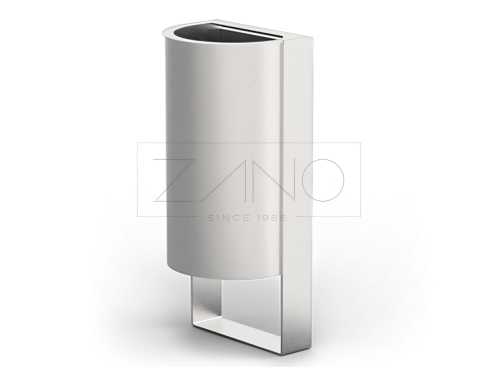
Trash bin Start
03.044
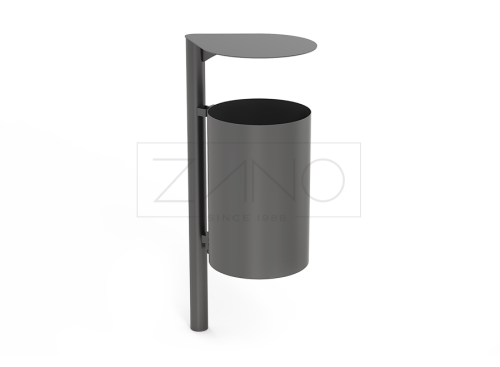
Trash bin Porto
03.093
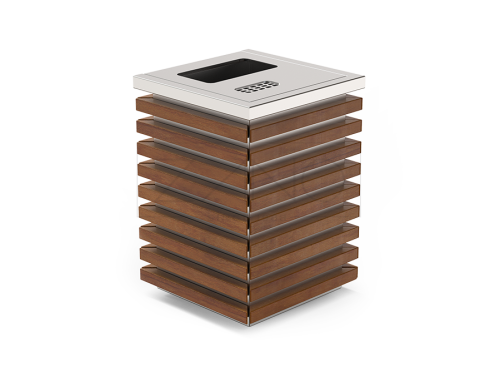
Trash bin with ashtray Block
03.056
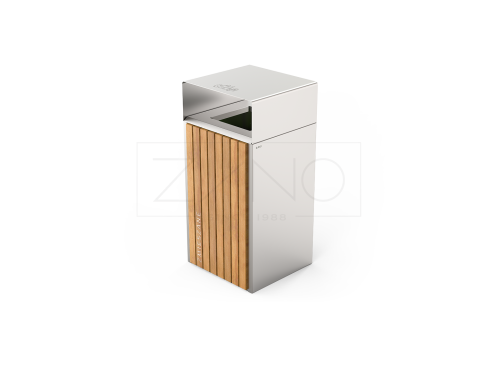
Waste bin Quadro
03.076.1
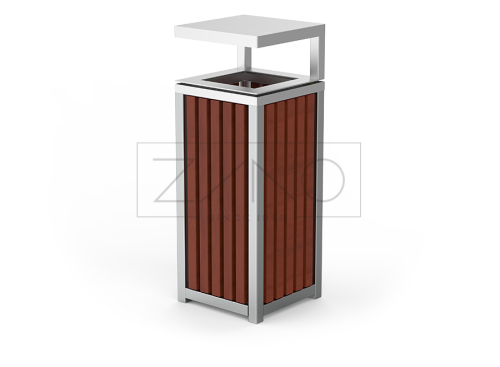
Trash bin Altus
03.052.7
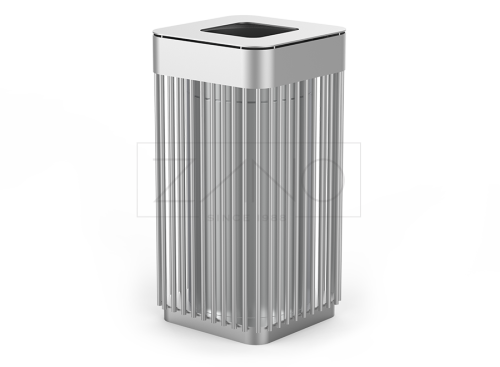
Trash bin Calypso
03.051
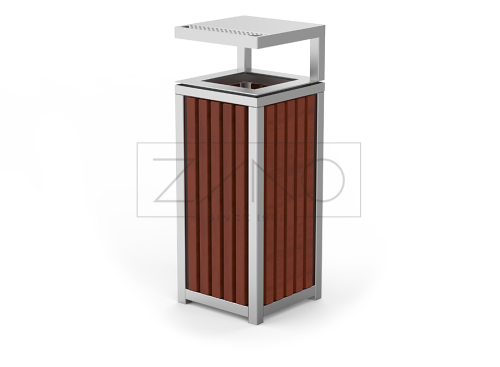
Trash bin with ashtray Altus
03.052.8
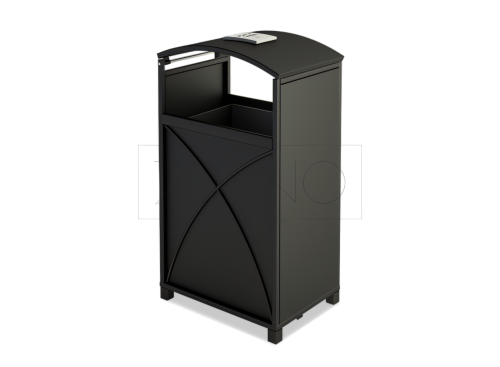
Trash bin with ashtray Skała
03.039
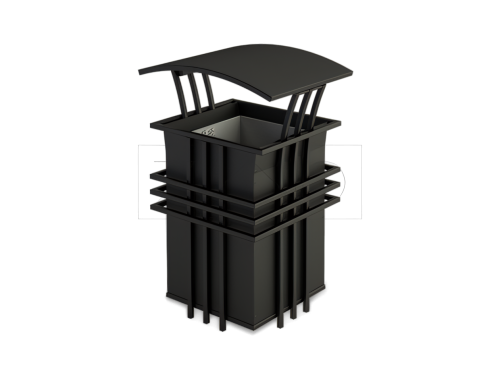
Szczepanski Trash bin
03.040
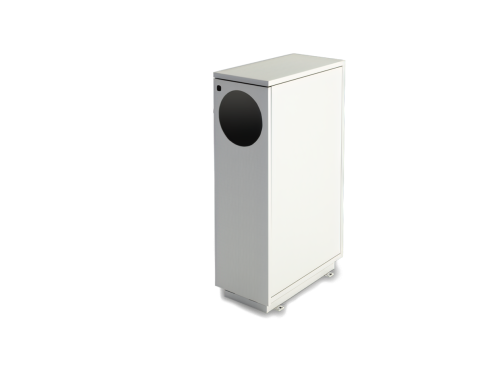
Trash bin Norvik
03.067
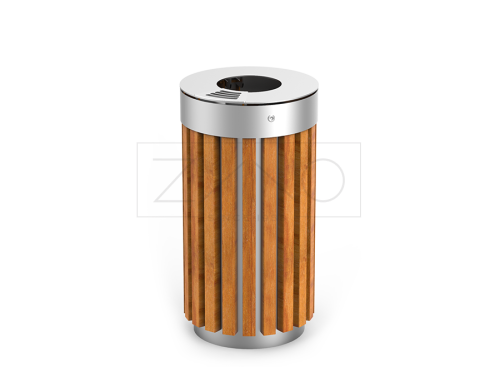
Trash bin with ashtray Tubus
03.053.7
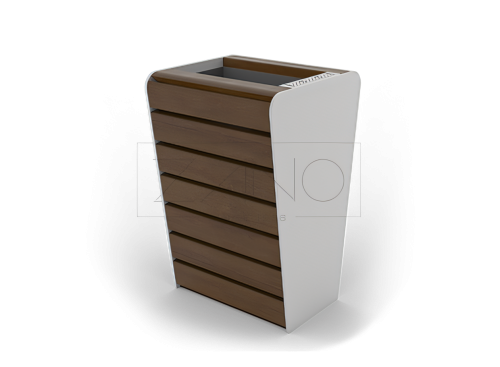
Trash bin with ashtray Soft
03.012.2
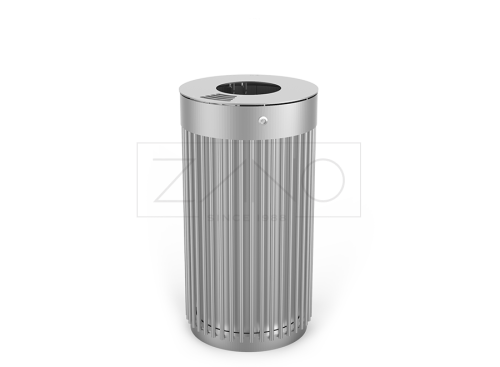
Trash bin with ashtray Tubus
03.053.4
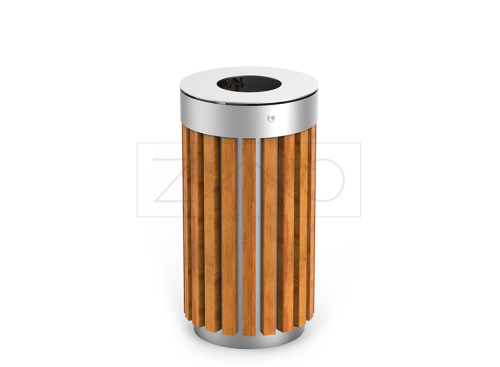
Trash bin Tubus
03.053.1
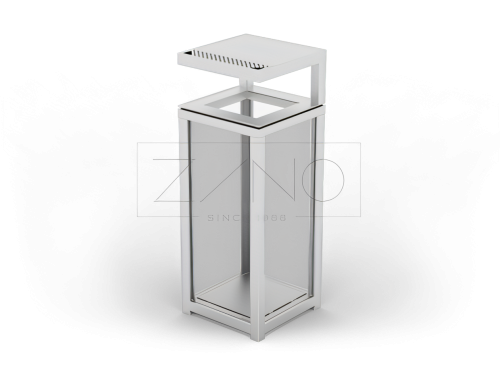
Anti-terrorist bin with ashtray Altus
03.052.6
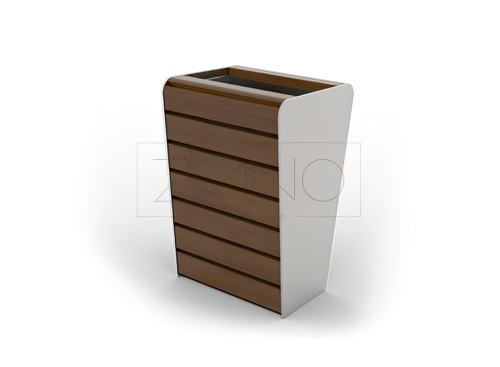
Trash bin Soft
03.012
Litter bins are an essential component of urban infrastructure, designed to maintain cleanliness and order in public spaces. These bins are strategically placed in areas such as parks, streets, shopping centers, and near public transportation facilities to encourage proper waste disposal by the public. The primary goal of litter bins is to reduce littering on the streets, which in turn helps in maintaining a cleaner and more attractive environment.
Manufactured from a variety of materials including metal, plastic, concrete, and wood, litter bins are available in numerous designs to blend seamlessly with the urban aesthetic while being highly functional. These materials are chosen for their durability, resistance to weather, and ease of maintenance. Metal bins often feature a powder coating to prevent rust, while plastic bins are lightweight and resistant in various weather conditions.
The design of litter bins can vary significantly from simple, utilitarian containers to sophisticated, modern units that feature smart technologies such as solar-powered compaction systems and fill level sensors. These smart bins are more efficient as they compact the trash on-site, which reduces the frequency of waste collection and can lead to significant cost savings in waste management.
Furthermore, litter bins are often equipped with features such as cigarette disposal units, separate compartments for recycling, and animal-proof lids to enhance their usability and effectiveness in waste management. These features not only promote recycling and reduce waste but also prevent animals from scattering trash, thus maintaining the cleanliness of the environment.
Efforts are also made to ensure that these bins are user-friendly. This includes placing them at convenient heights for easy access and designing them so they are easy to open, often with foot pedals or automatic sensors that minimize the need for physical contact, thus maintaining hygiene standards.
In terms of placement, careful consideration is given to the location of litter bins to maximize their usage. They are generally placed at points of high foot traffic such as near crosswalks, bus stops, and in common areas where food is consumed outdoors. Proper signage is also used to direct the public to the nearest bin, further promoting the use of these facilities.
Overall, litter bins play a vital role in keeping our urban spaces clean, functioning, and aesthetically pleasing. They are a reflection of a city's commitment to environmental responsibility and public health. As urban areas continue to grow, the design and functionality of litter bins will continue to evolve to meet the changing needs of public spaces and to cope with the increasing demands of waste management.