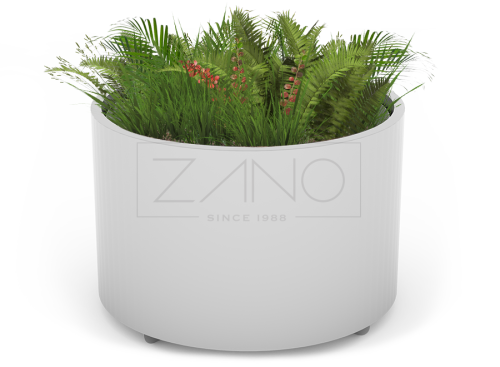
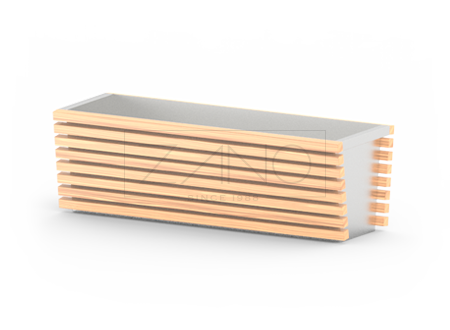
Flowerpot Flash
06.025.L
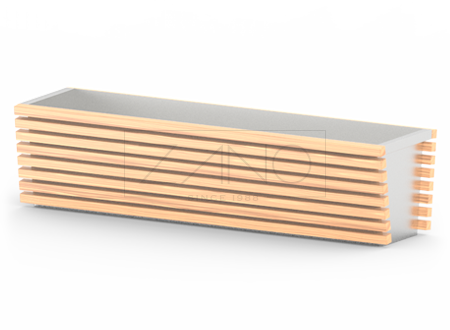
Flowerpot Flash
06.025.XL
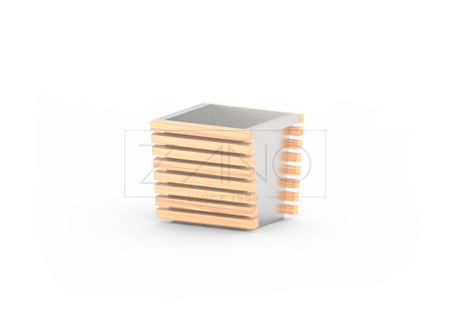
Flowerpot Flash
06.025.S
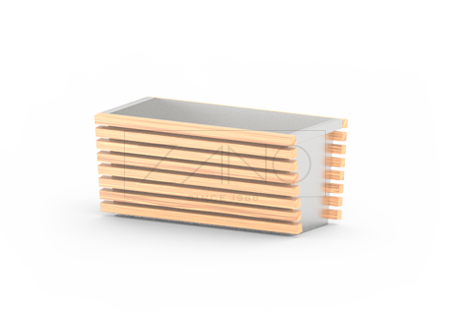
Flowerpot Flash
06.025.M
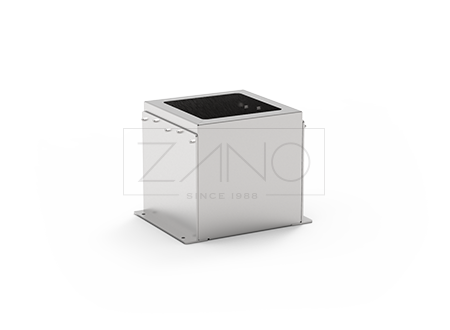
Flowerpot Domino
06.440
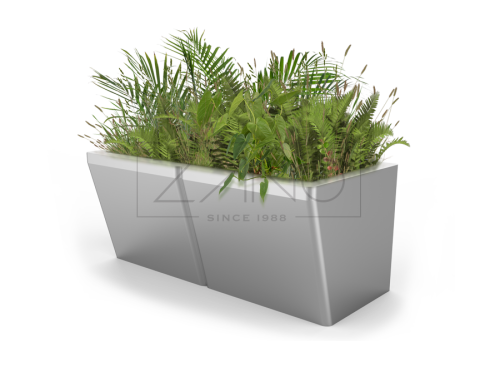
Flowerpot Scandik
06.046.M
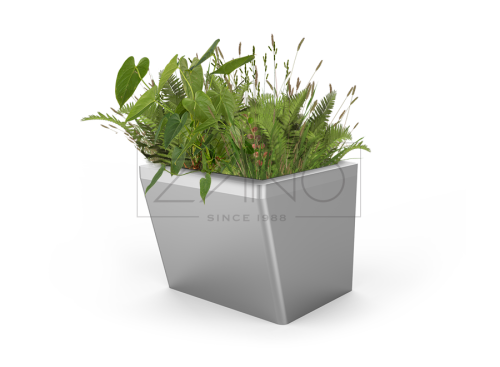
Flowerpot Scandik
06.046.S
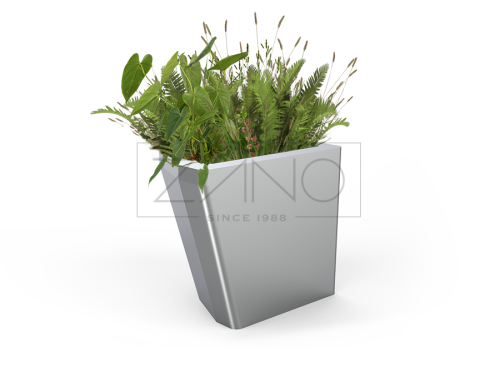
Flowerpot Scandik 90°
06.046.1
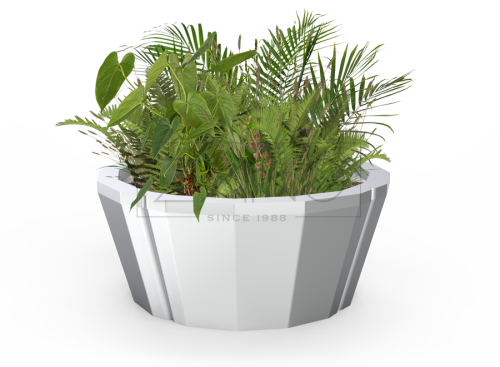
Flowerpot Scandik
06.146.S
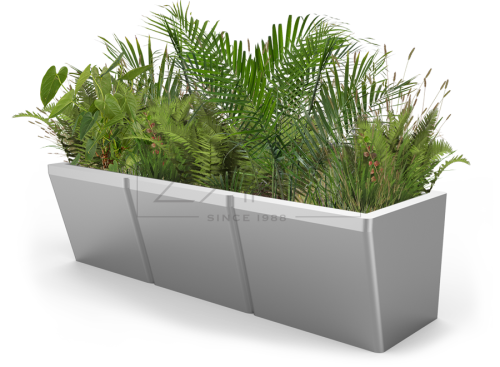
Flowerpot Scandik
06.046.L
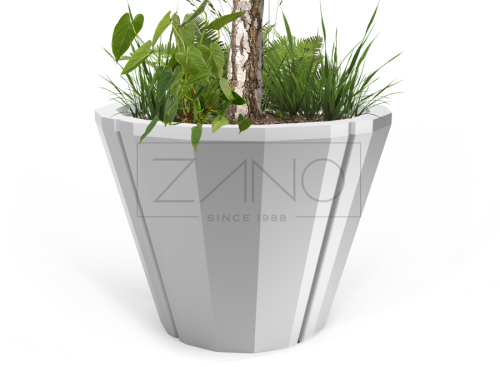
Flowerpot Scandik
06.146.M
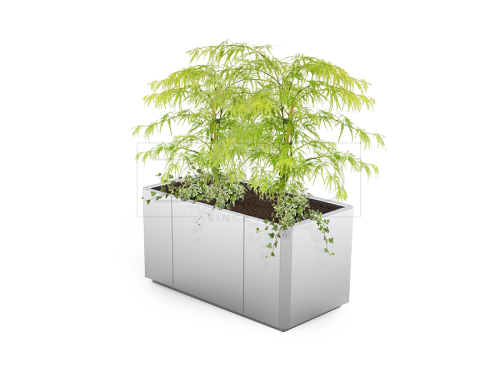
Flowerpot Stilo
06.048.M
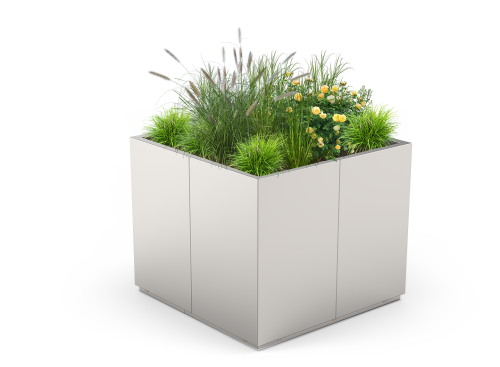
Flowerpot Quadro
06.176.XL
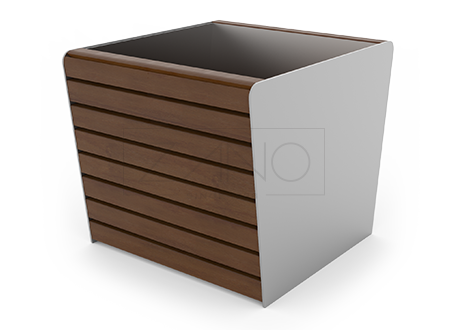
Flowerpot Soft
06.012.L
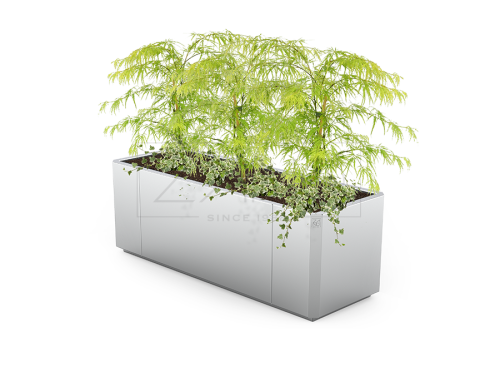
Flowerpot Stilo
06.048.L.1
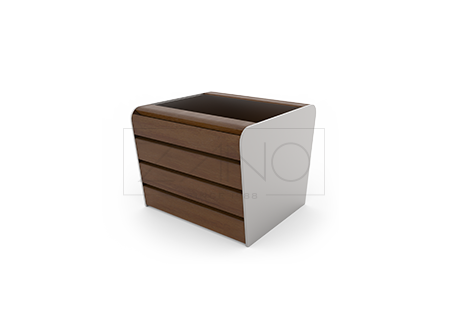
Flowerpot Soft
06.012.S
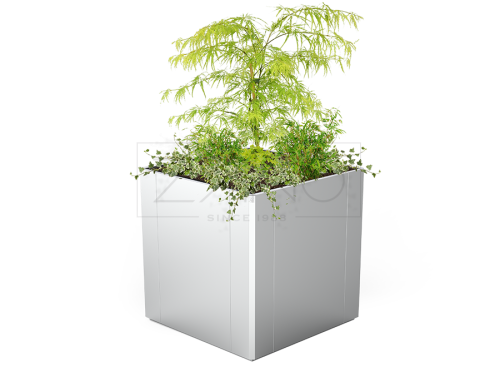
Flowerpot Stilo
06.048.XXL
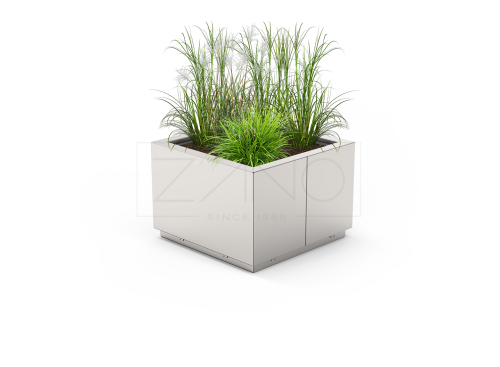
Flowerpot Quadro
06.076.S
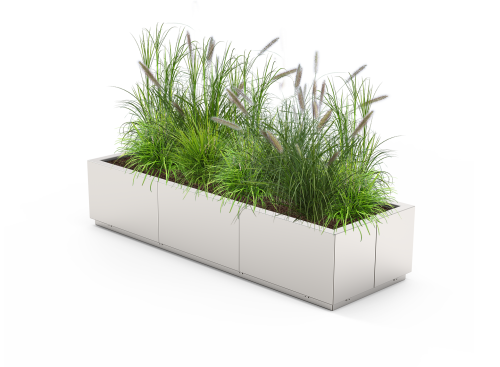
Flowerpot Quadro
06.076.L
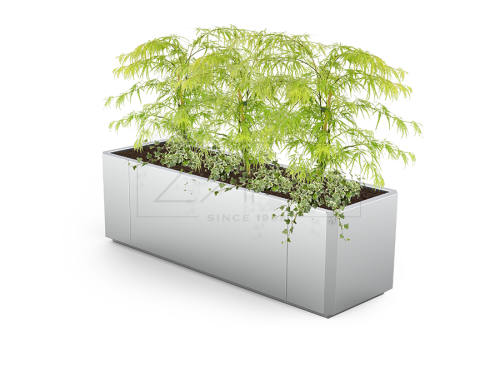
Flowerpot Stilo
06.048.L
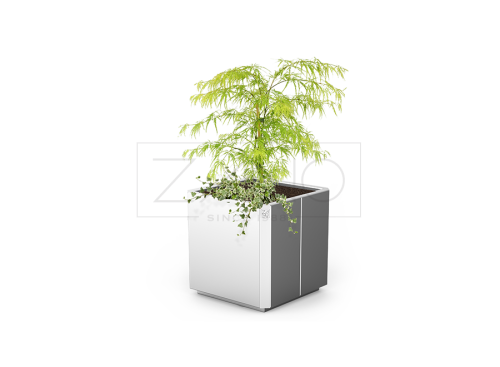
Flowerpot Stilo
06.048.S
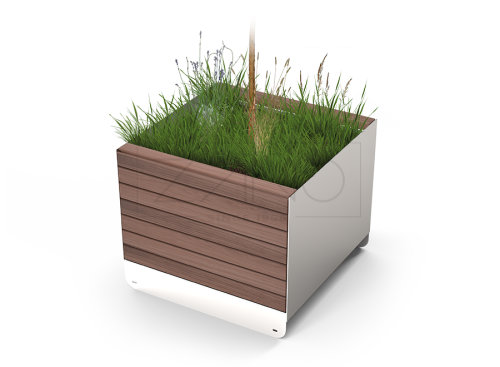
Flowerpot Orbit
06.450.5
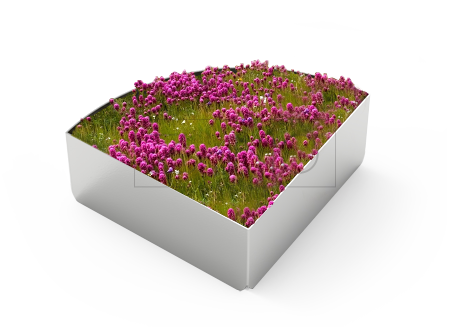
Flowerpot Orbit
06.450
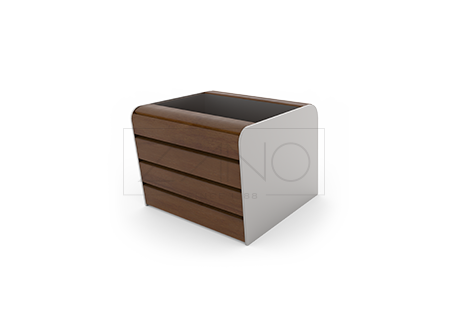
Flowerpot Soft
06.012.1.S
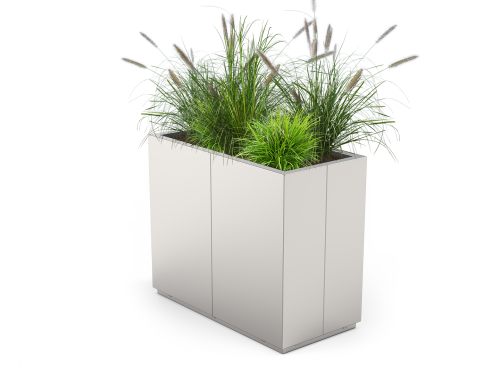
Flowerpot Quadro
06.176.M
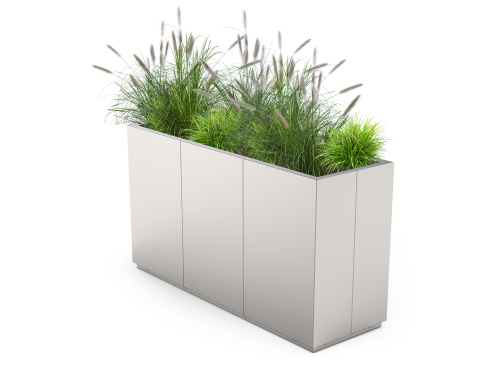
Flowerpot Quadro
06.176.L
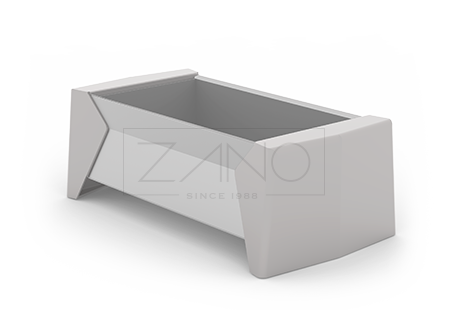
Flowerpot Photon
06.009.L
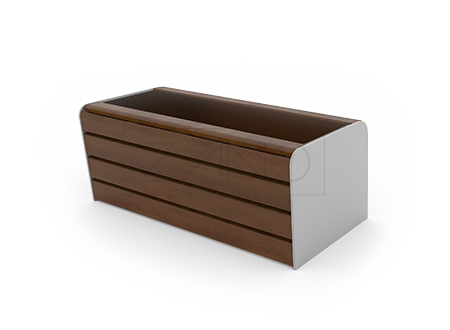
Flowerpot Soft
06.012.1.M

Flowerpot Stilo
06.048.XL
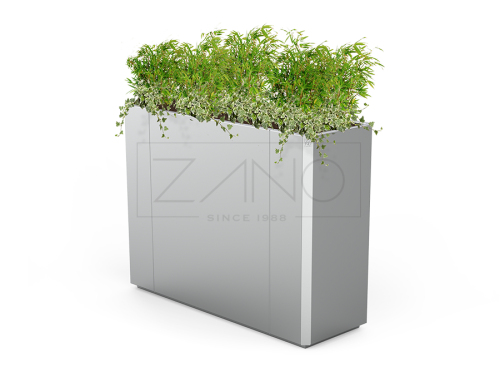
Flowerpot Stilo
06.148.L.1
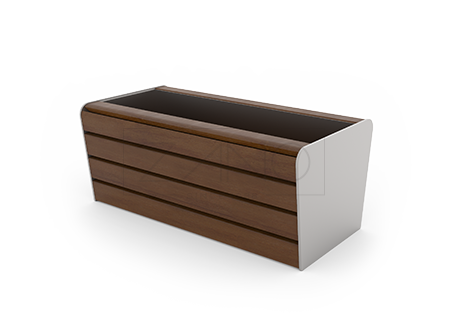
Flowerpot Soft
06.012.M
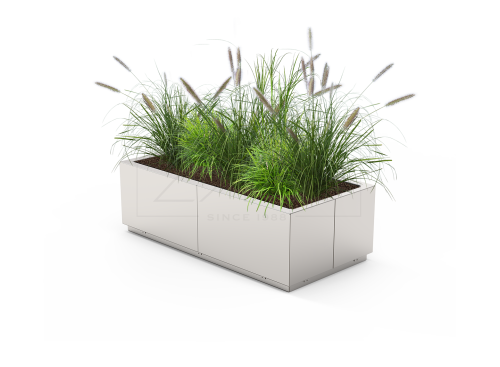
Quadro flowerpot
06.076.M
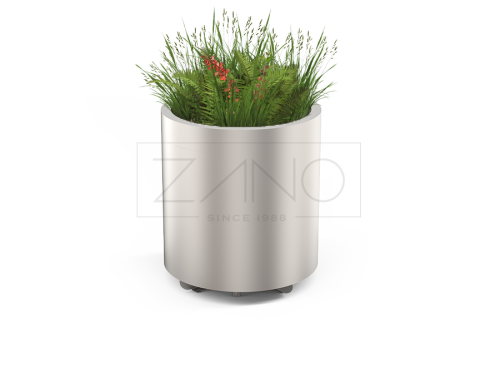
Flowerpot Universe
06.155.S
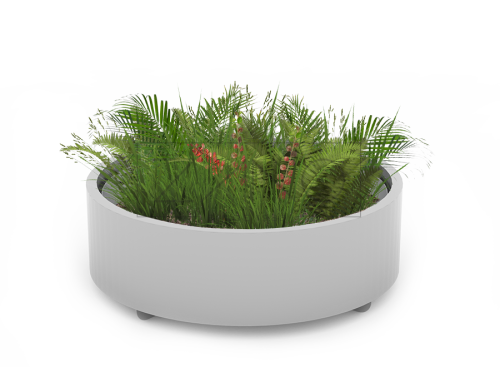
Flowerpot Universe
06.055.L
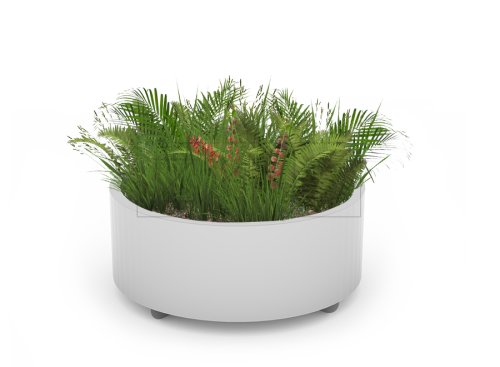
Flowerpot Universe
06.055.M
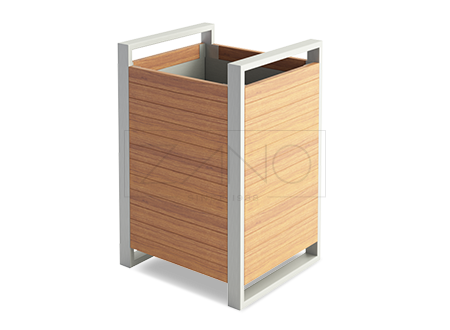
Flowerpot Sofa
06.041
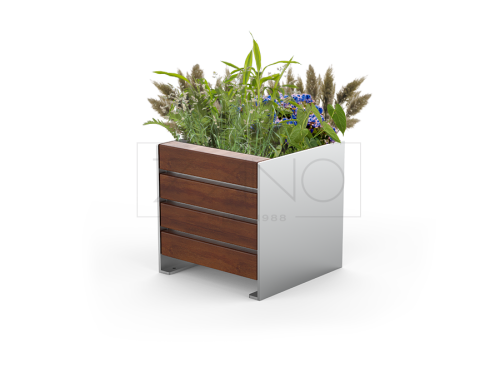
Flowerpot Simple
06.040.S
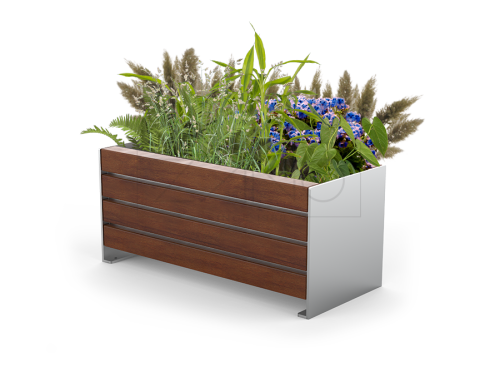
Flowerpot Simple
06.040.M

Flowerpot Orbit
06.450.4
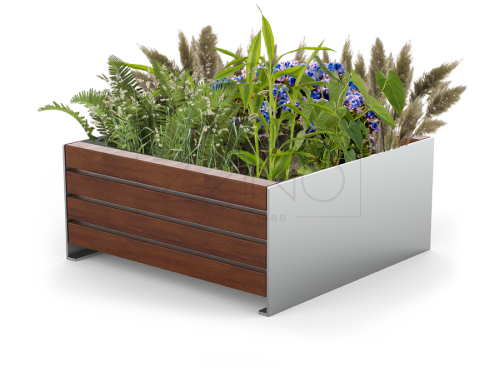
Flowerpot Simple
06.040.L
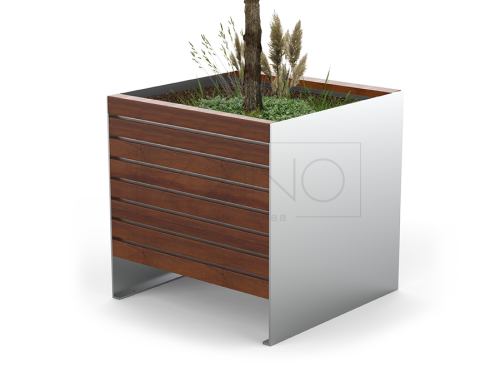
Flowerpot Simple
06.040.XL
Planters are an essential component of street furniture, offering both functional and aesthetic benefits to urban landscapes. They serve as mini-gardens that can host a variety of plants, from flowers to shrubs, and even small trees. This versatility makes them a popular choice for city planners and landscape architects looking to add a touch of green to concrete environments. Planters can be strategically placed to create natural barriers, guide pedestrian flow, or simply enhance the visual appeal of public or commercial spaces.
Constructed from a diverse range of materials including wood, concrete, metal, and recycled plastic, each type of planter brings its own unique qualities to the table. Wooden planters offer a classic and warm aesthetic that can blend seamlessly into park environments or complement historic urban areas. Concrete planters, on the other hand, are known for their durability and substantial presence, making them ideal for high-traffic areas. Metal planters provide modernity and can withstand extreme weather conditions, while recycled plastic planters offer an eco-friendly option that supports environmental sustainability.
When designing planters, functionality is as important as aesthetics. Many models come with self-watering systems to reduce maintenance efforts and ensure plants receive the optimal amount of water. Drainage is another critical feature that prevents water accumulation and promotes plant health. Additionally, the inclusion of security features like anti-theft devices and the ability to lock planters in place can be crucial for urban settings.
The size and shape of planters can vary greatly to suit specific needs and spaces. From large rectangular units that can act as dividers in spacious areas to small, circular pots that fit snugly in intimate corners, planters are designed to be versatile. This adaptability ensures that they can be implemented in various settings, including streets, parks, rooftops, terraces, and indoor environments.
Placement is key to maximizing the impact of planters. When deployed along walkways, they make the route more engaging and visually pleasing. In public squares, grouped planters can create soft, green gathering spots that contrast with the hard surfaces typical of urban areas. For businesses, placing planters around the perimeter or even inside can enhance the establishment's doorway appeal, drawing in customers and offering a pleasant environment.
The color and finish of a planer can also contribute significantly to its effectiveness within an urban design context. Bright colors can inject vibrancy into dreary spaces, while more subdued tones may complement a building's facade or existing street furniture harmoniously. Innovations in surface treatments and materials have expanded the palette of possibilities for customization according to specific city or project themes.
As urban areas continue to expand, the role of planters in urban furniture is increasingly significant. They are not only decorative elements but also functional pieces that support urban greening initiatives. By incorporating planters into landscapes, cities can enhance their ecological health, improve air quality, and provide residents with much-needed green spaces. This makes planters not just a mere element of street furniture, but a crucial tool in creating sustainable and livable cityscapes for present and future generations.